Historical Short Film · Graduation · 2025
Rogowski
Overview
00 · The filmRogowski is a historical short film about a German immigrant family who moved to Brazil in search of safety, set in 1940s Santo Ângelo. As Brazil declared war and national discrimination spread, the family faced a different kind of war, and the film follows how sticking together was what got them through it.
I chose the project for its personal correlation, as it retells a story my parents once passed down, built as a combination of a scripted interview based on actual events and a narrative film that recreates it. Undertaking this project reinforced for me the value of translating family narratives into film, deepening my appreciation for how personal history can be preserved and shared through creative reconstruction.
| Format | Historical short film + scripted interview |
| Runtime | 12.5 minutes |
| Setting | Santo Ângelo, Brazil · 1940s |
| Language | English, with a German accent |
| Based on | "Echoes of Bravery" by Verena Rogowski Becker |
| Role | Writer · Director |
Recreating the story of the Rogowski family in 1940s Brazil.
The Process
01 · From the thesisA recap of how the film was built, drawn from the project thesis. Open a phase to read more.
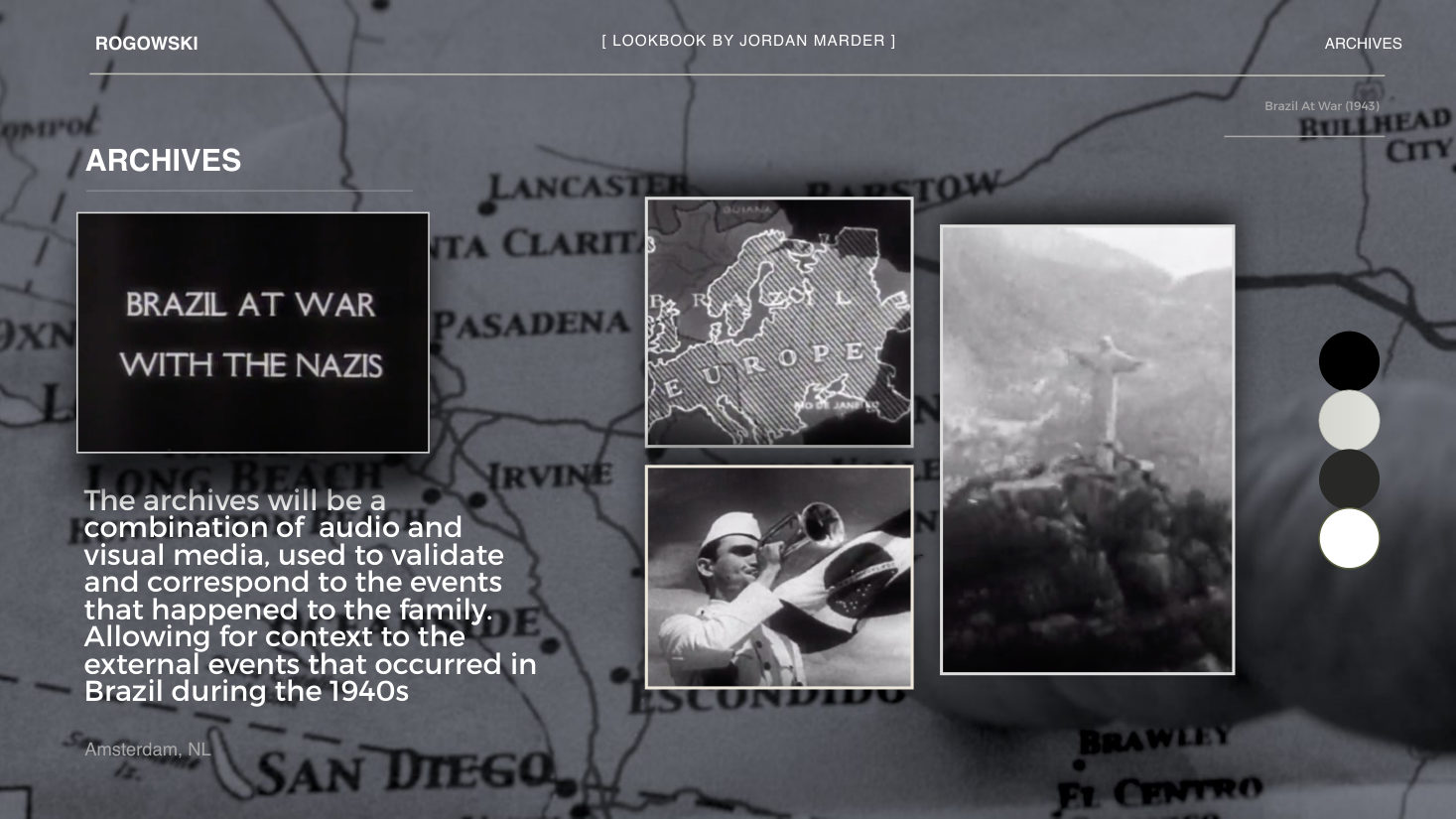
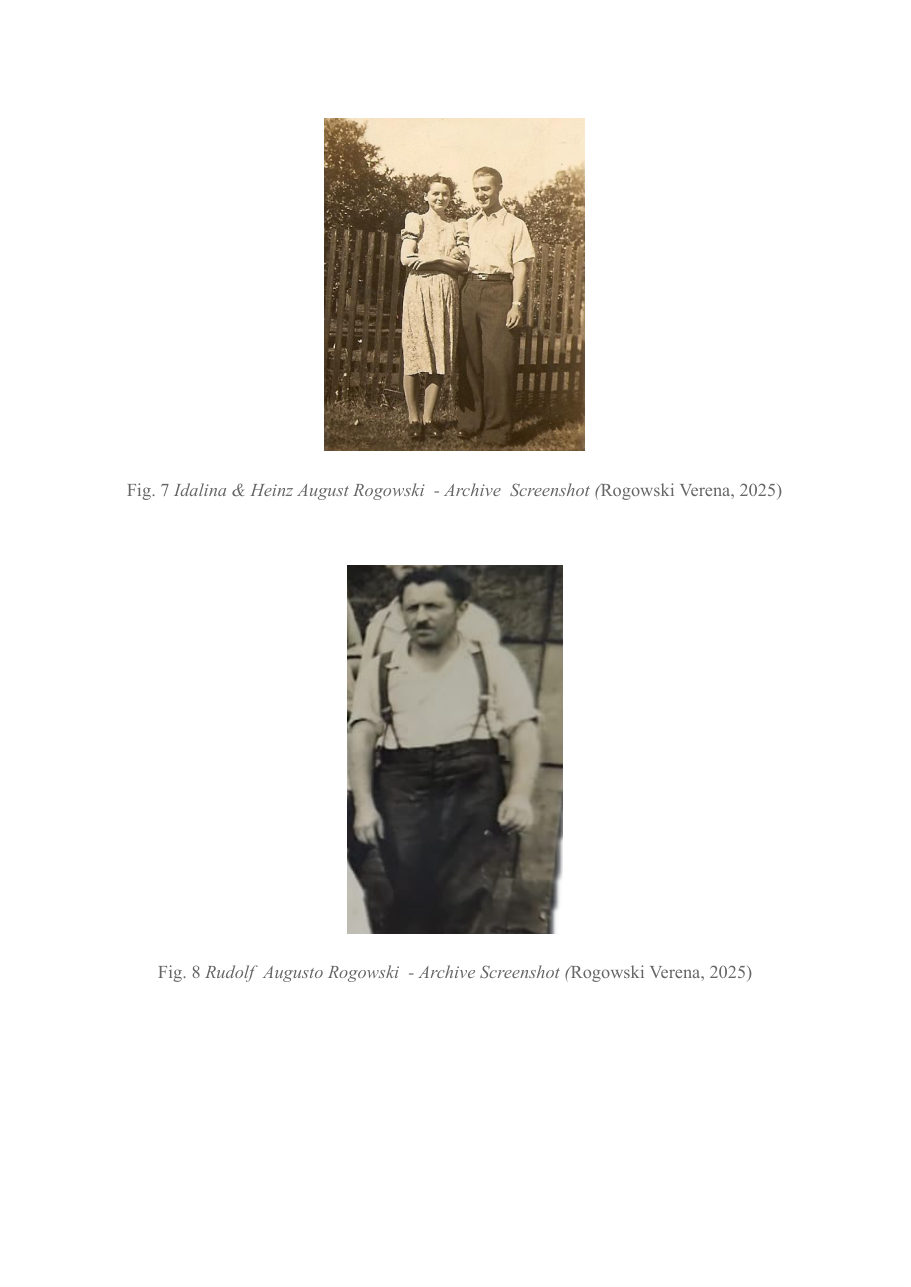
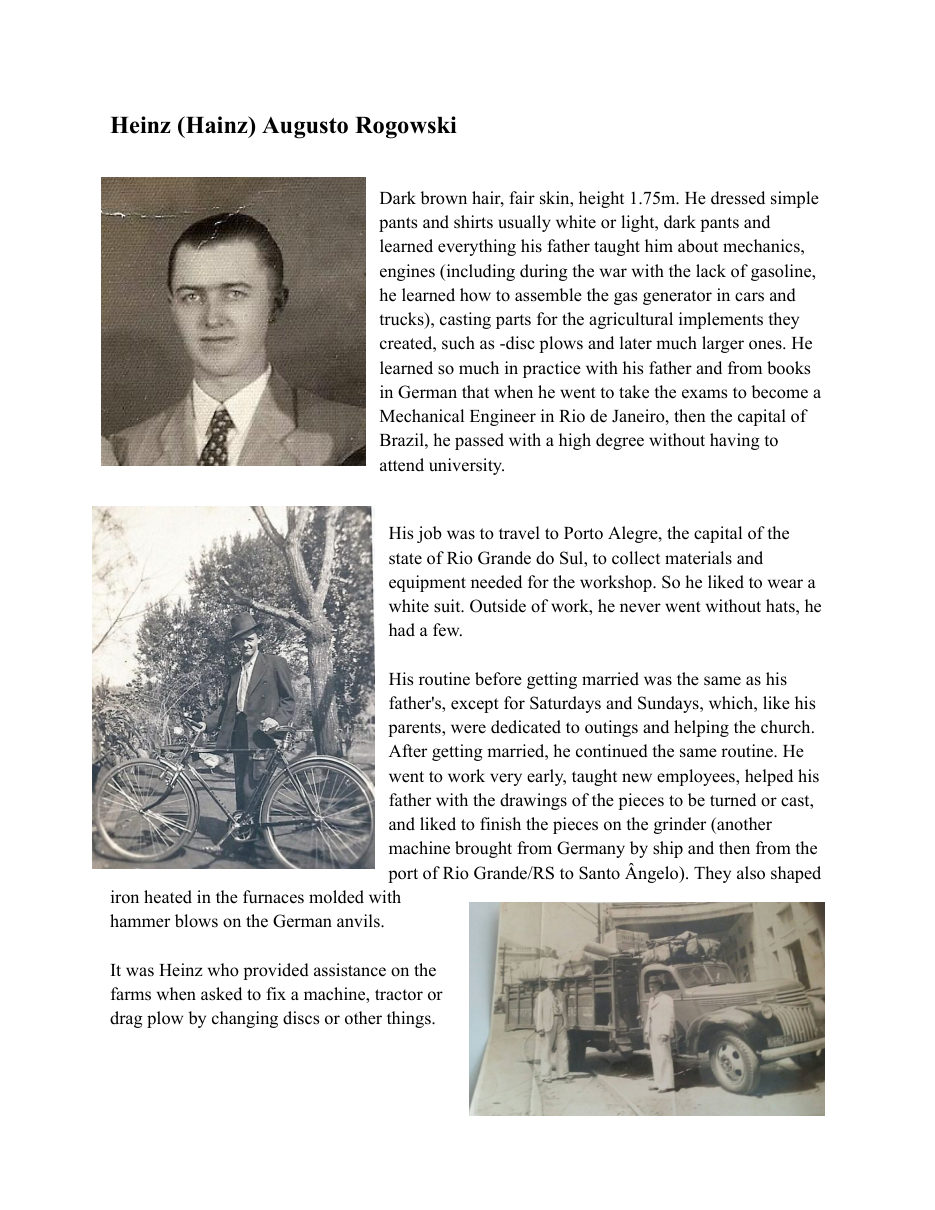
The film is set in the early 1940s, so it needed extensive research to get the period accurate. I worked from the family's own material, the book Echoes of Bravery by Verena Rogowski Becker, and recovered archives that let me replicate each family member's look. I spoke with Felipe Kuhn Braun, a professor focused on German immigration into Brazil, who provided a Salvo Conduto. This Safe-Conduct document gave the timeline and events real authenticity.
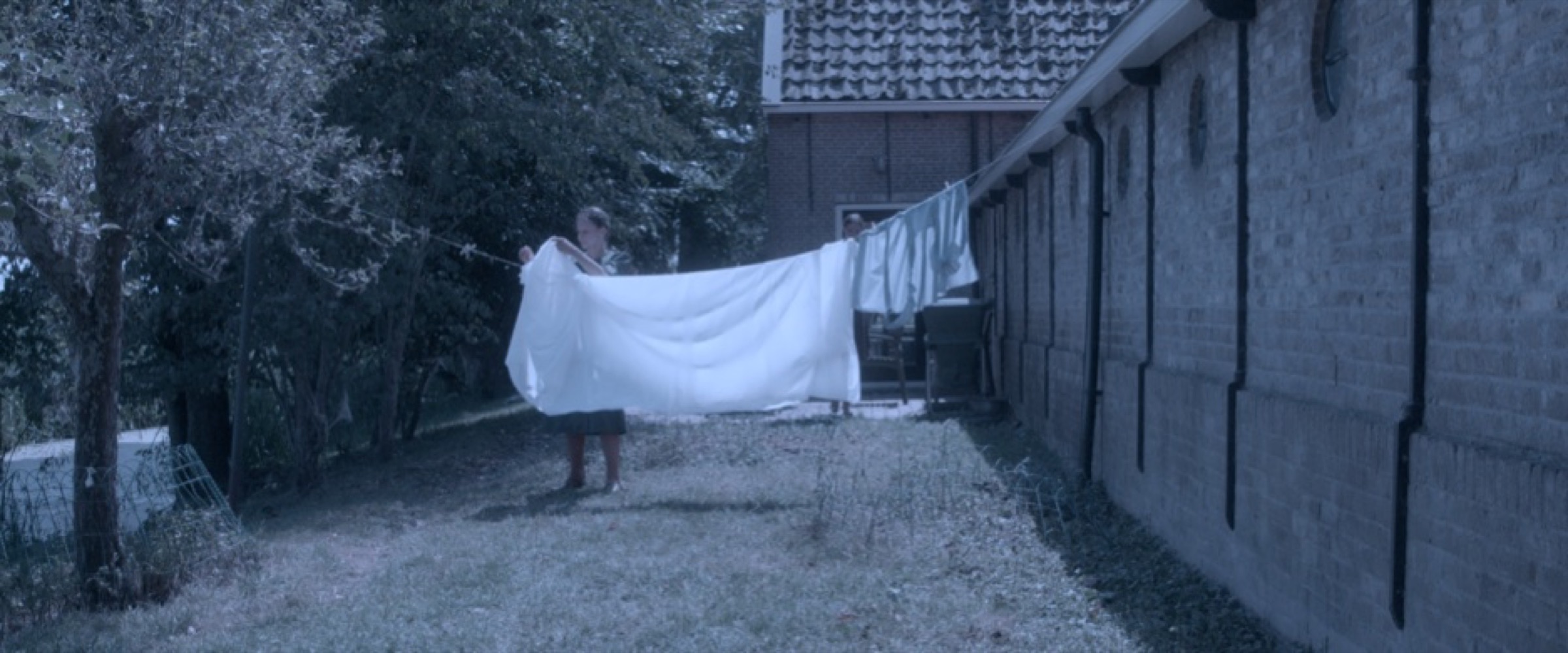
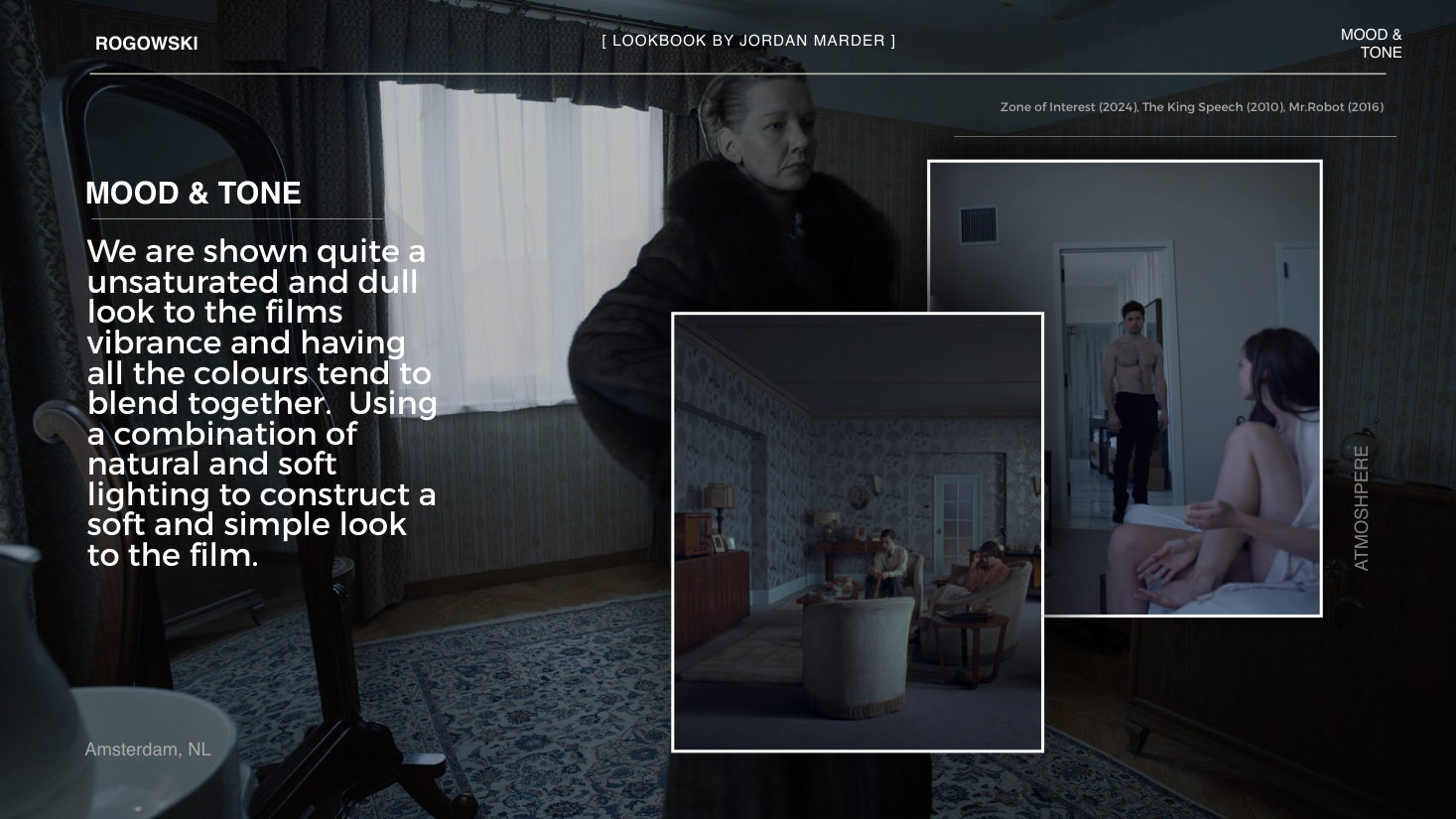
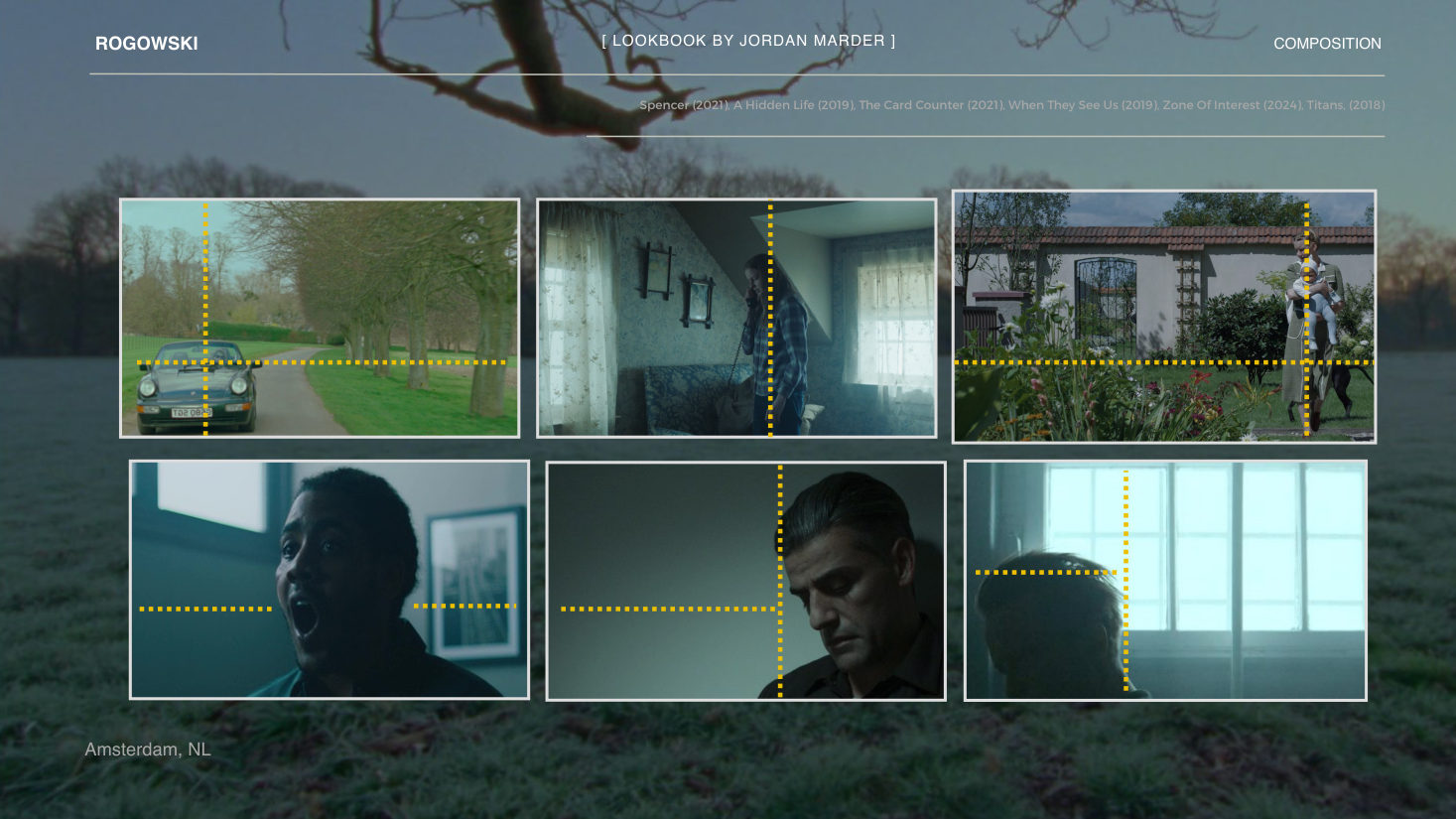
For the visual style, I drew inspiration from Jonathan Glazer's film The Zone of Interest (2024), a work noted for its use of an unsaturated color palette dominated by blues and whites to evoke a sense of emotional detachment and distance. For context, The Zone of Interest is a critically acclaimed historical drama that employs specific visual strategies to convey its themes of alienation and historical trauma. Adapting this approach for Rogowski, I employed deep focus and made full use of the camera's dynamic range to ensure the entire frame remained visually accessible. This technique allows viewers to observe the placement of characters within the environment, guiding their attention across the scene rather than focusing solely on a single point.
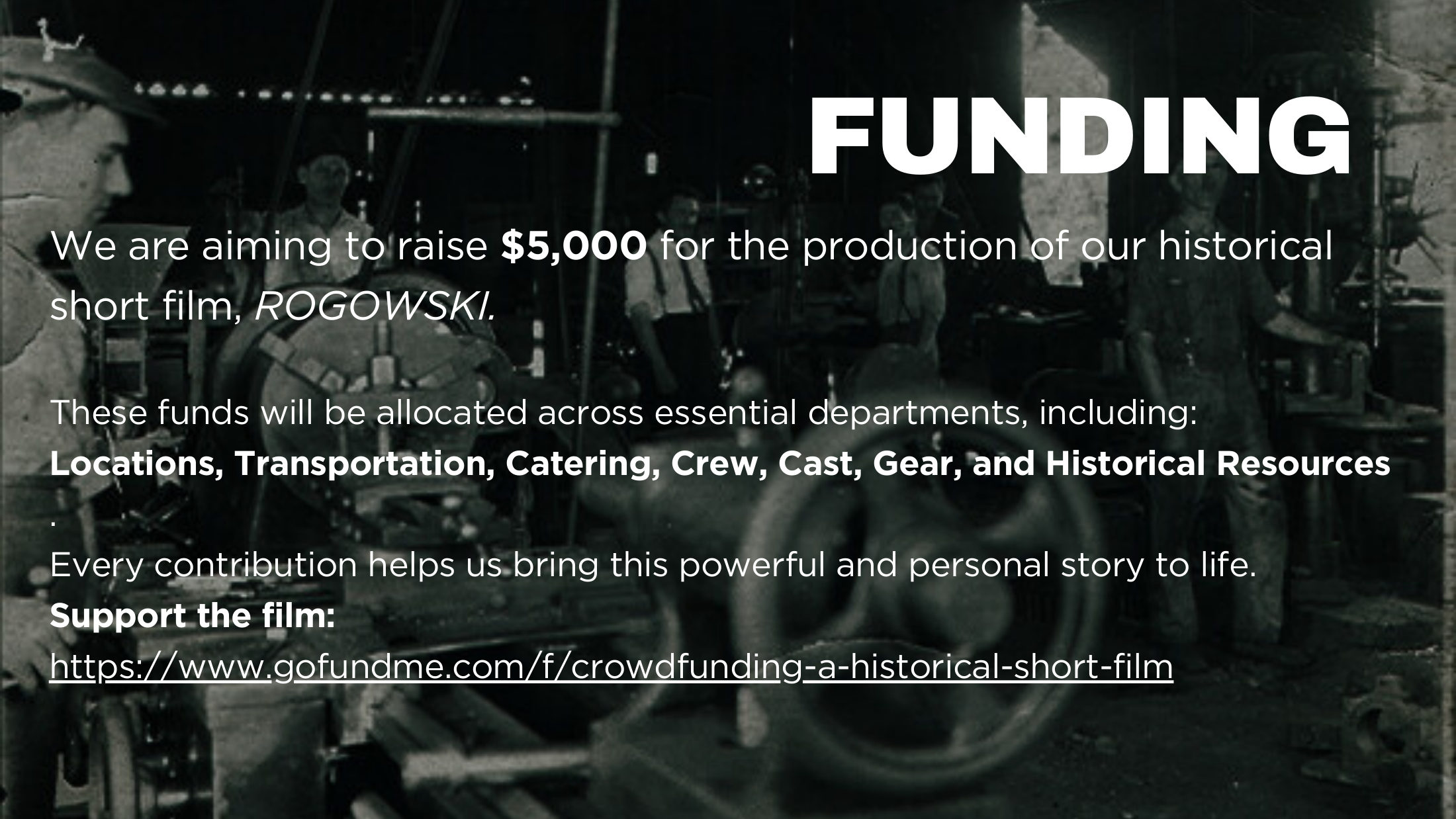
The idea started as a 15 to 20 minute short built around a scripted interview of Verena Rogowski Becker. I worked the script through six drafts, holding meetings between each one to adjust the details until time constraints made me lock a final version. To fund it, I ran the film as a proof of concept for a future feature, aiming to raise $5,000 across locations, crew, cast, gear, and historical resources. I built a pitch deck and lookbook to sell the concept to a mixed audience.
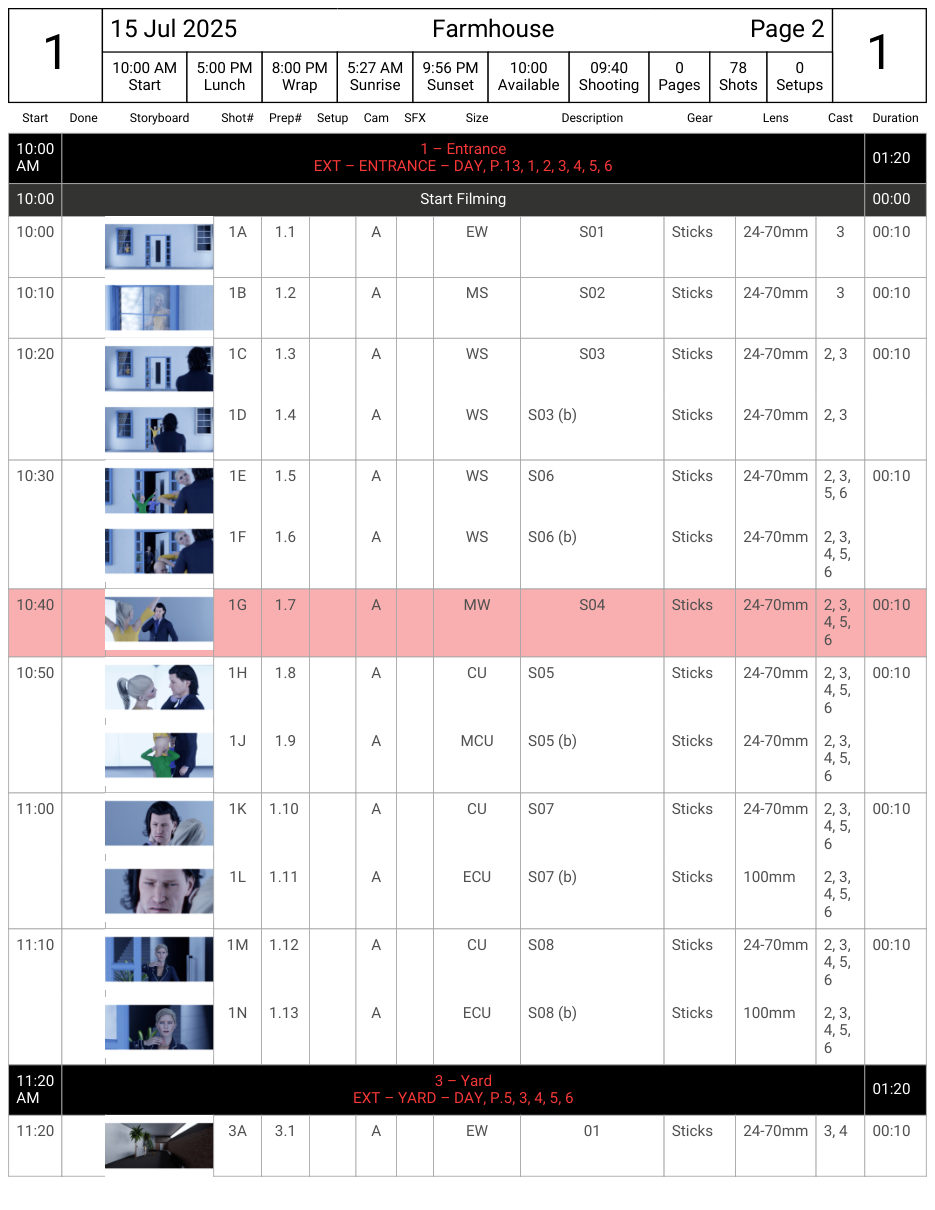
I pre-visualized the film in full before the shoot, which gave the camera and lighting a clear idea of how each shot would look and what gear we would need. As I took on both Director and Cinematographer, this was incredibly effective. The pre-vis held up closely against the final footage, alongside the character lookbook and the shot-by-shot storyboards.
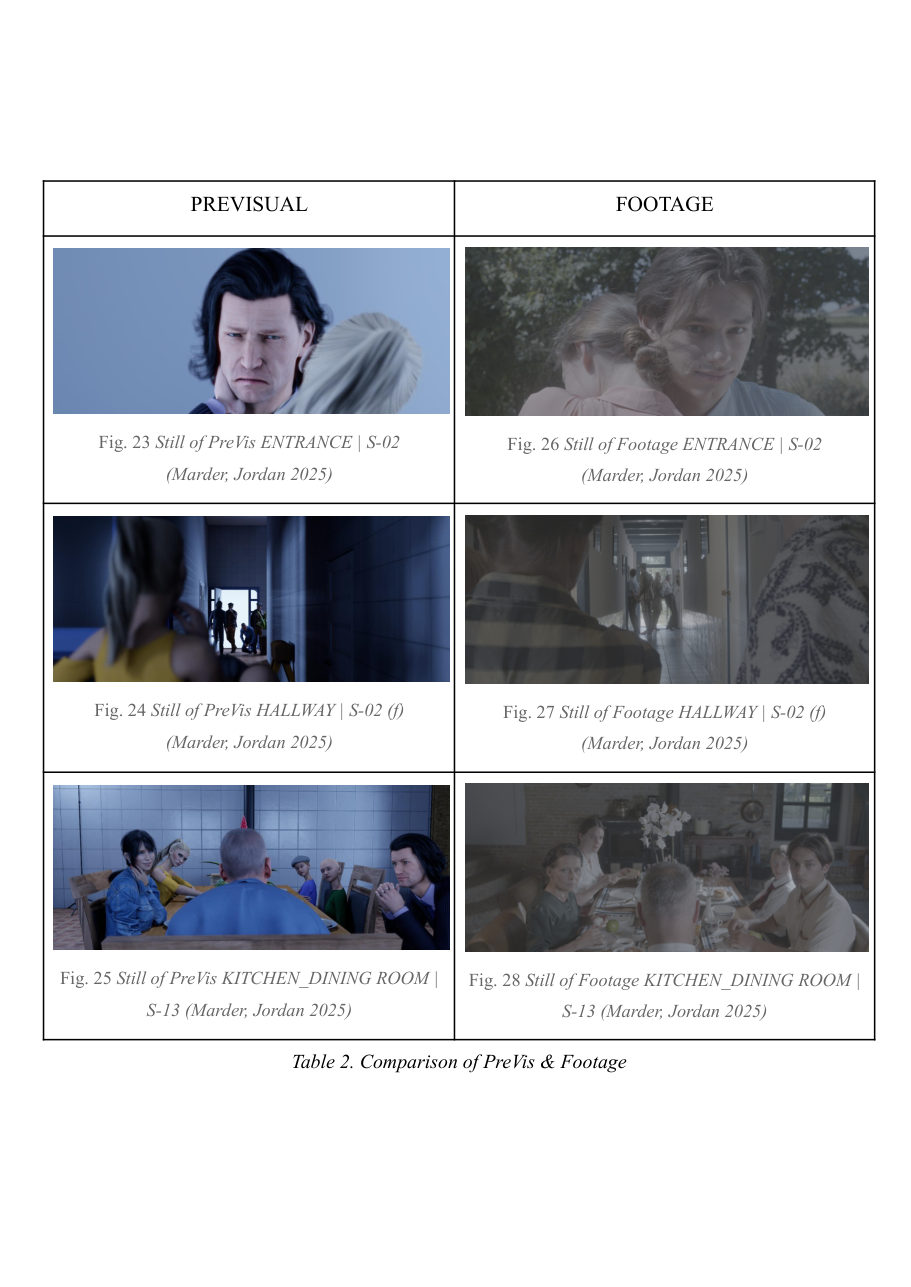
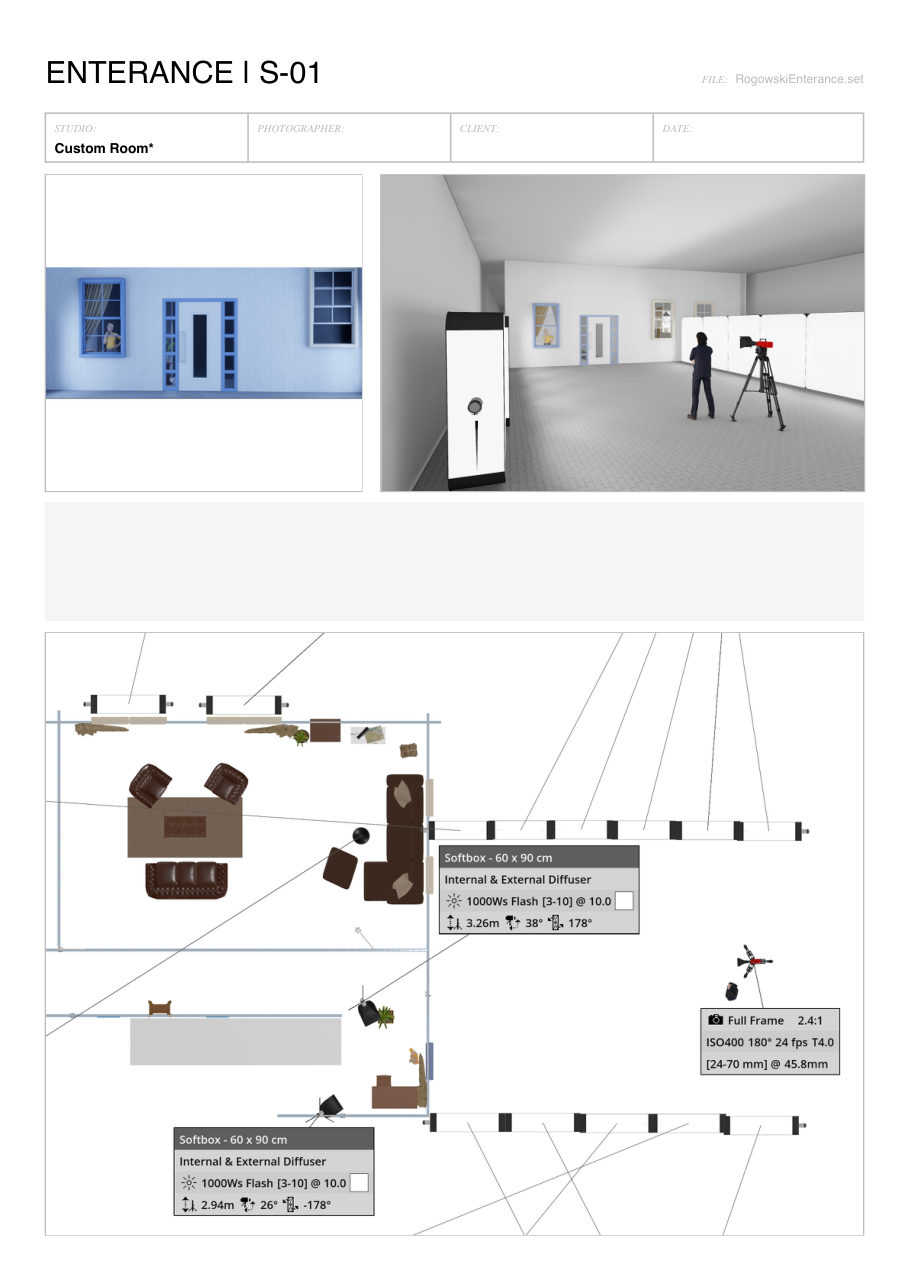
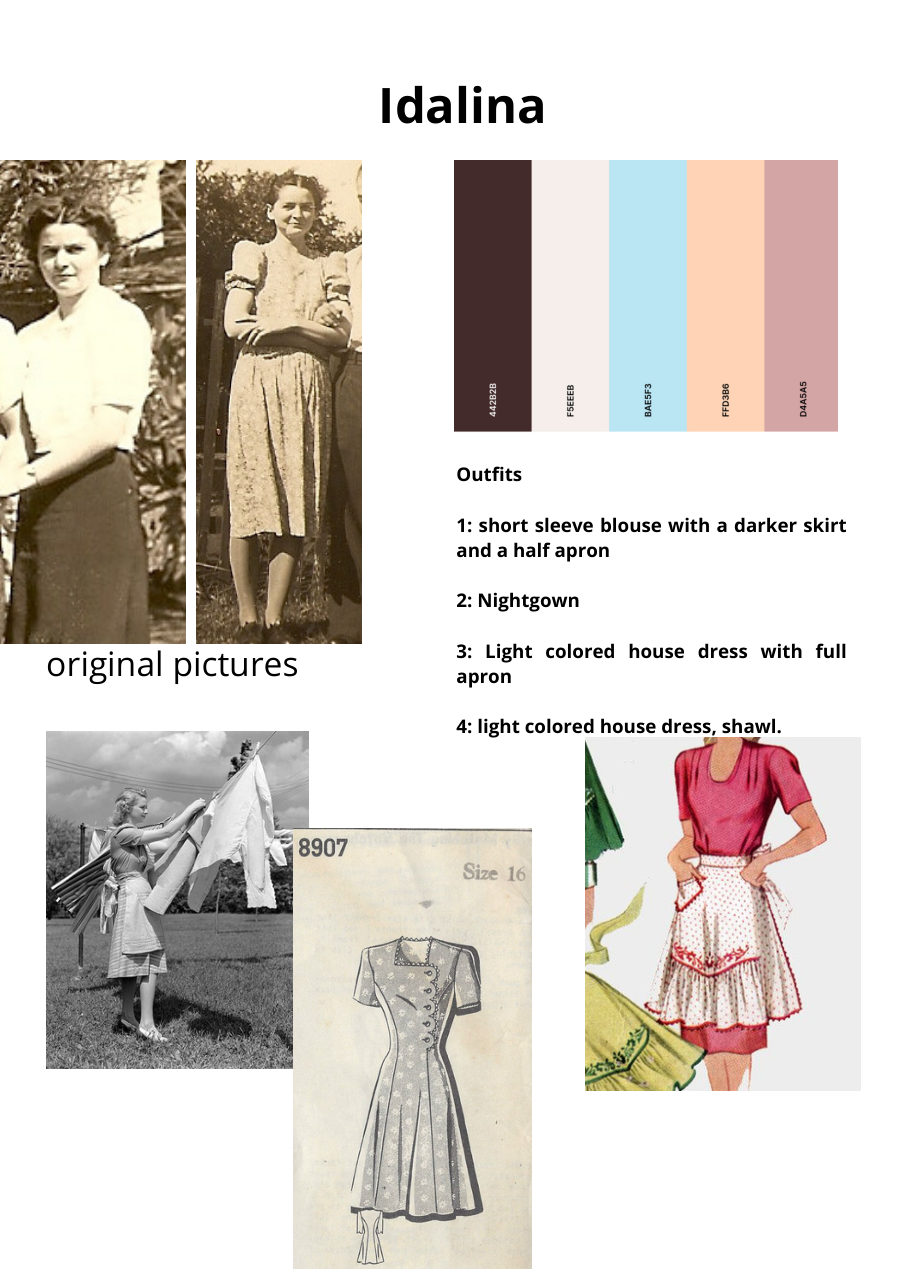
Fig. Comparison of pre-vis and footage · character lookbook · storyboard
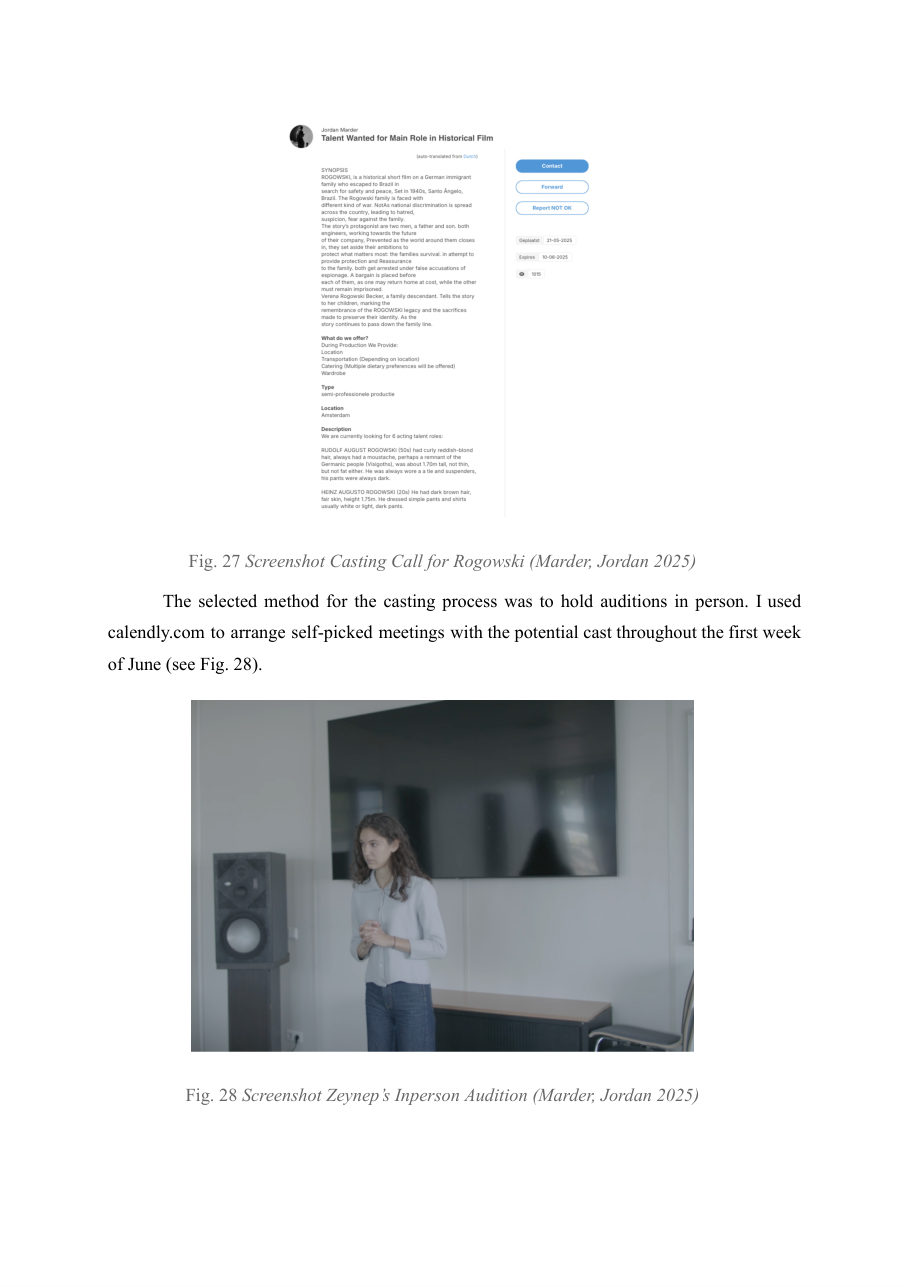
I held auditions in person, arranged through Calendly, and inspected each candidate, giving feedback on the spot. Early on, I had decided the film would be in English with a German accent, to keep the foreign aspect and the authenticity of the family's origin. On the day we ran the shoot, we followed an organized shot plan, so the whole crew stayed on the same page, with headset communication across the set for updates and calling in the cast.
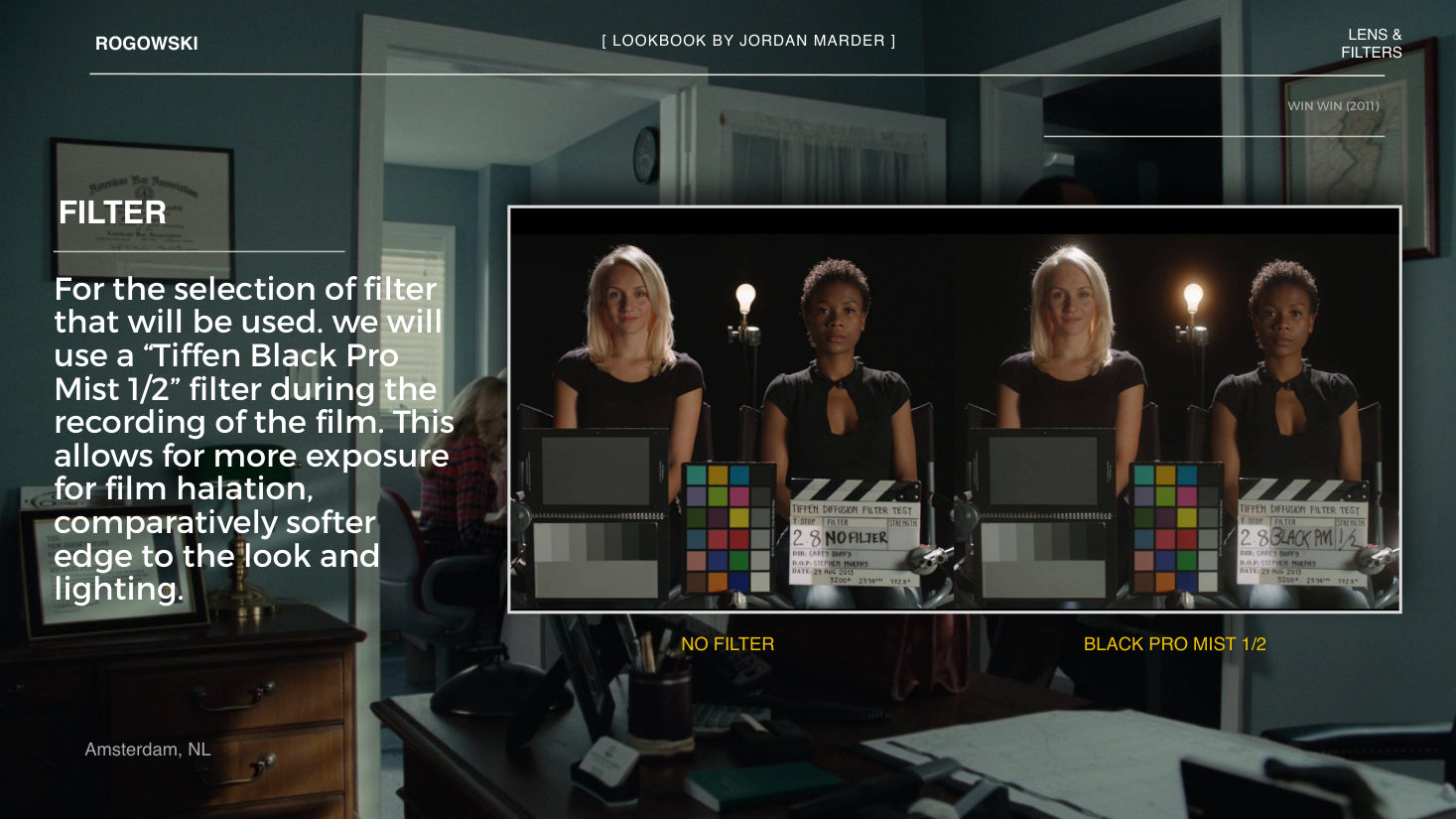
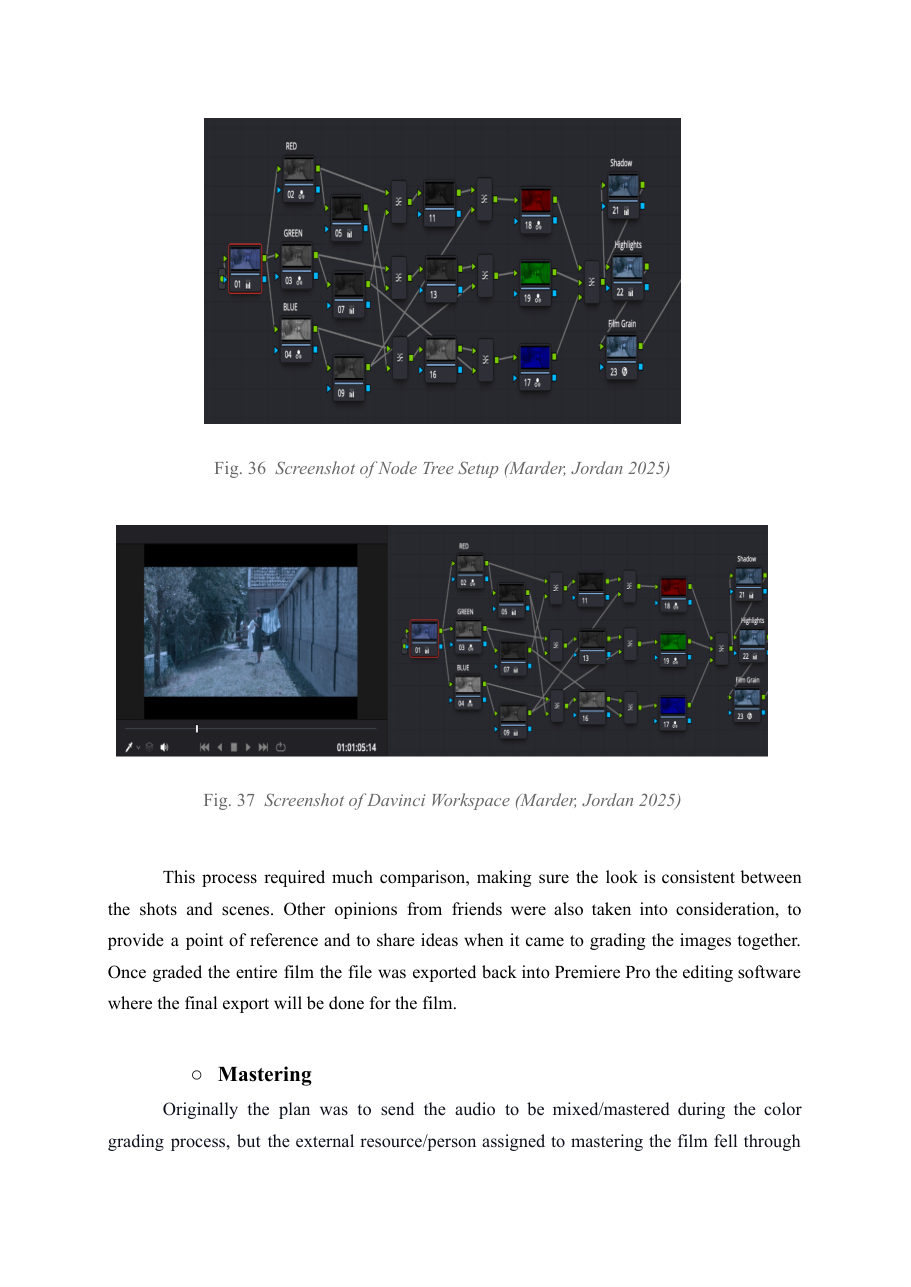
In post, I edited to picture lock, then sent an XML into DaVinci Resolve Studio and built a node tree to reproduce a Technicolor look for the period. It took a lot of comparison to keep the grade consistent across the shots and scenes. Once it was graded, the film went back into Premiere Pro for the final export.