Short Film · Horror-Thriller · 2024
Going Down
Overview
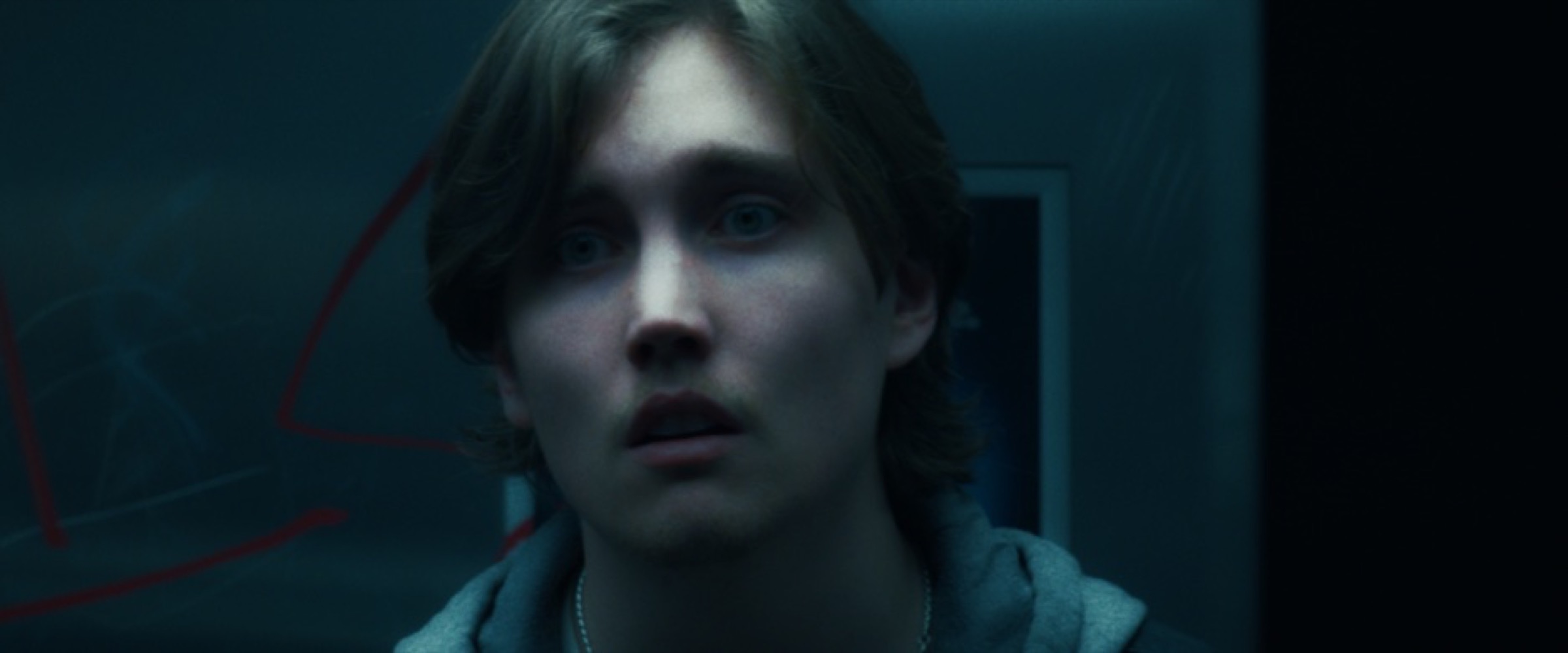
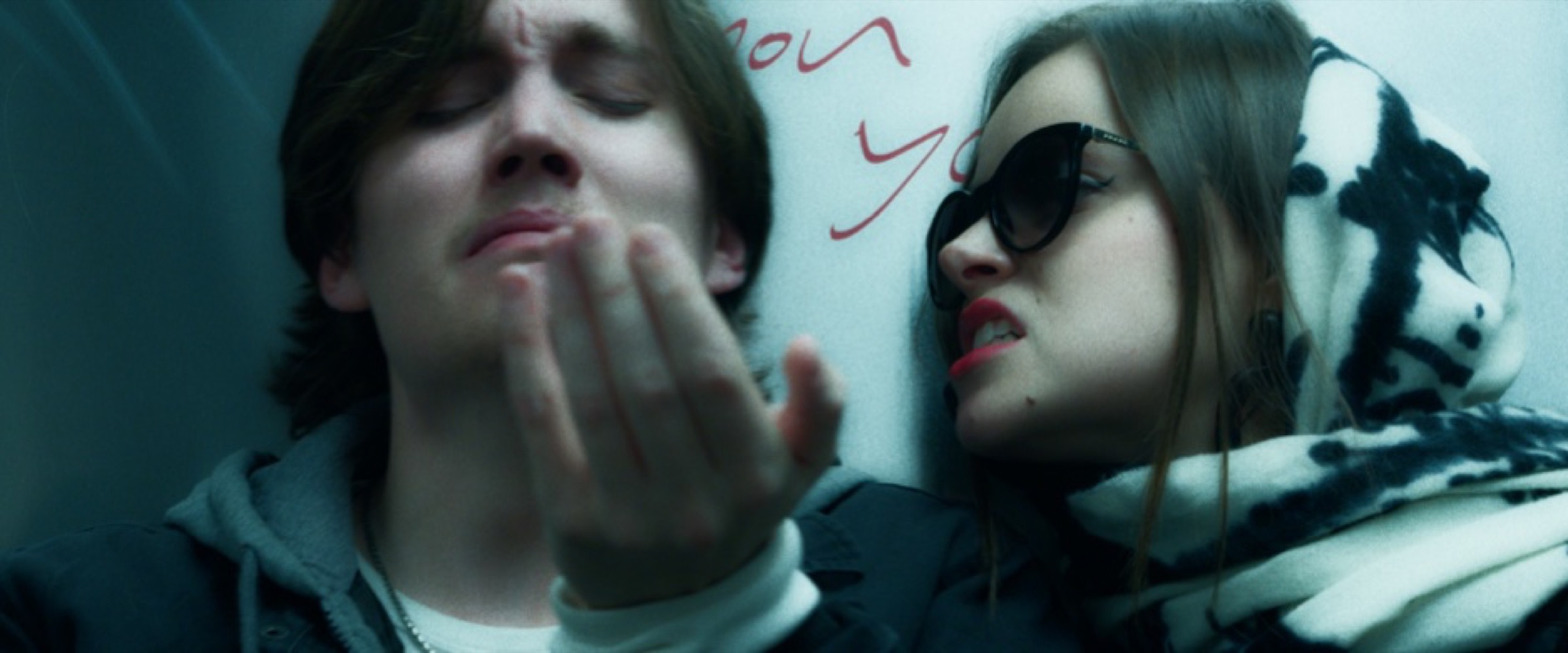
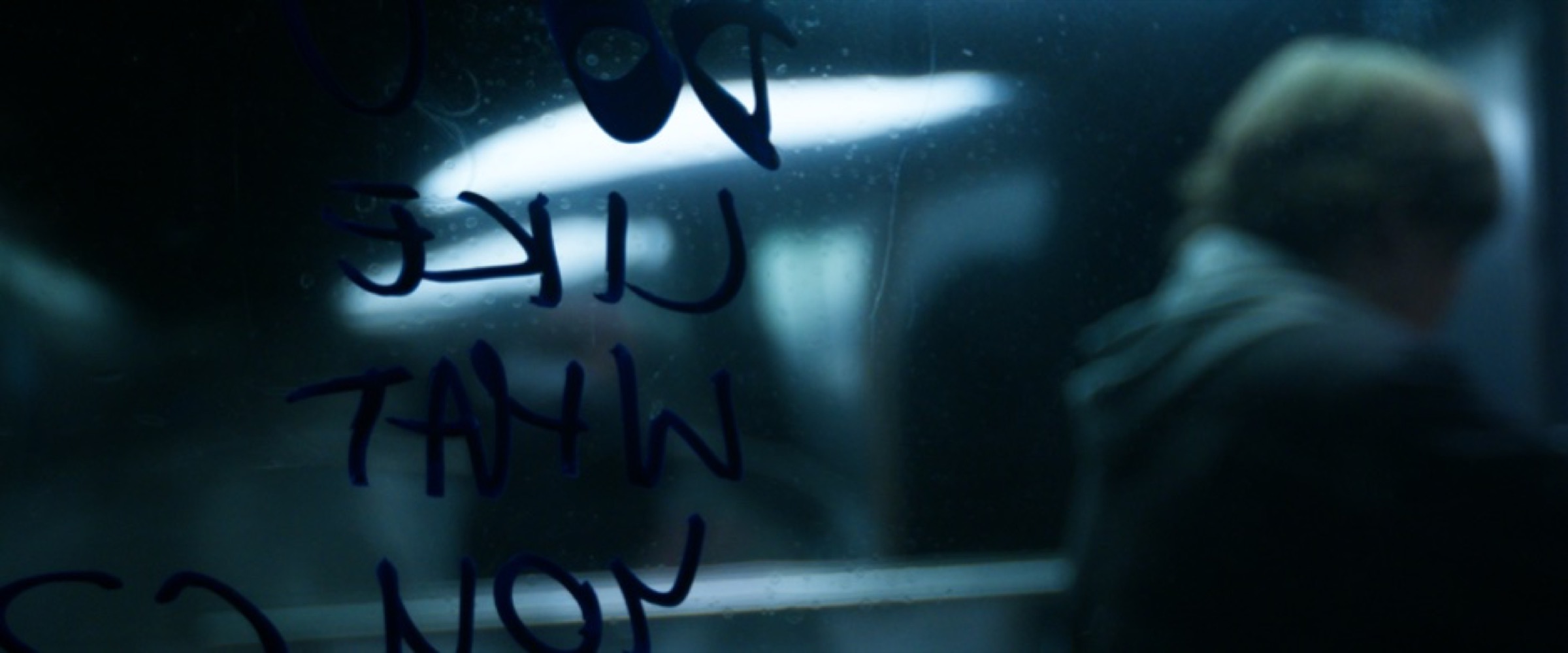
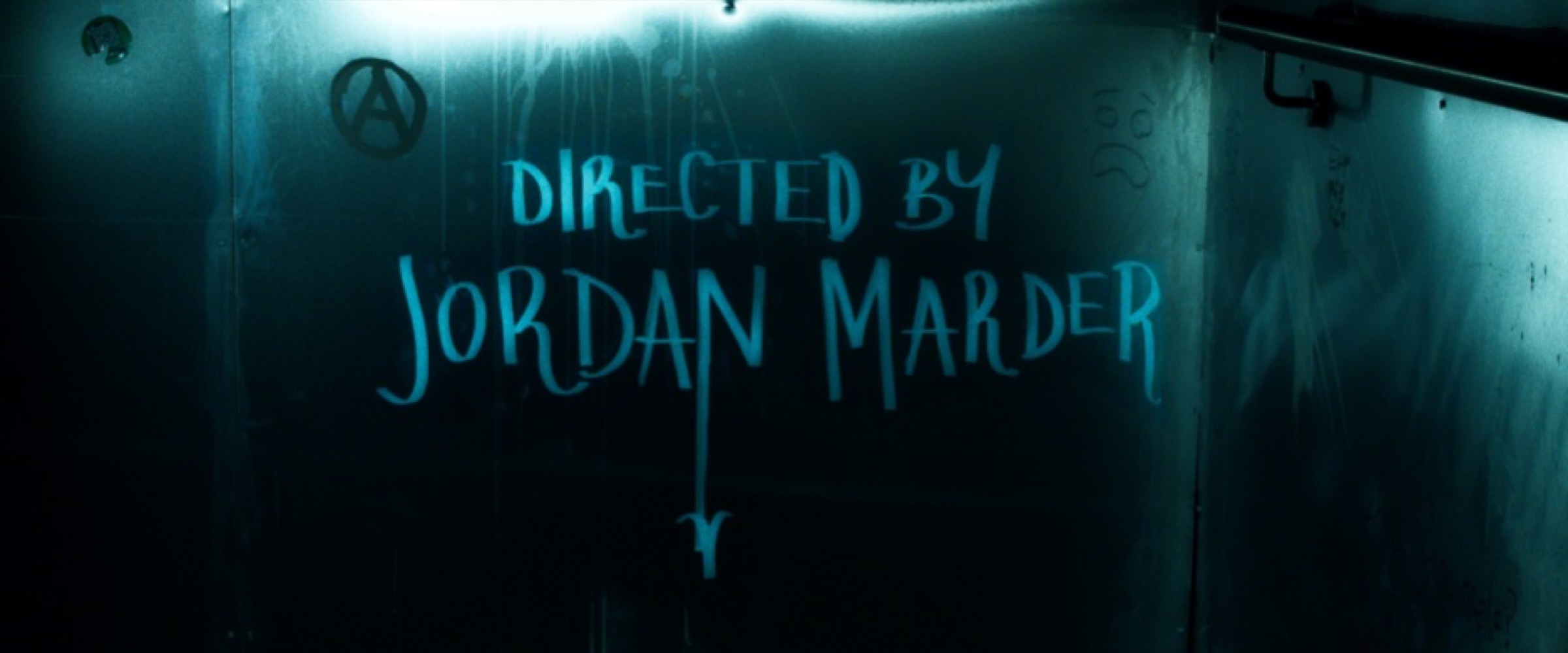
00 · The filmGoing Down is a horror-thriller short film, written and directed with the writer Taya Tambiev, set entirely inside an elevator. No client and no brief, this is the work made when nobody asks, and the film where the whole thing had to be built from the ground up, including the elevator itself.
I ran the production from the foundation up, from the concept and the shot planning to designing and building a working elevator set from scratch, then directing the shoot inside it. The film went on to a festival run.
| Format | Short film · Horror-thriller |
| Setting | One location: an elevator |
| Role | Writer · Director · Production |
| Writing | with Taya Tambiev |
| Recognition | 5 selections · 1 honorable mention · 1 award |
| Year | 2024 |
A descent into something you can't quite name.
The Process
01 · Building an elevatorA recap of how it was built, from a script with no budget to a working elevator set. Open a phase to read more.
I ran the majority of the production myself, evaluating and managing each aspect of the film from the foundation up. The concept started between me and the writer, Taya Tambiev, as we broke it down and found the direction, style, and tone, then combined it all into one overall theme. We agreed on a horror-thriller facing issues of honesty and confrontation. We also challenged ourselves on the setting, and decided the whole film would take place in an elevator. That decision brought its own setbacks to the story, and it also raised the real question early on: how would we film an elevator?
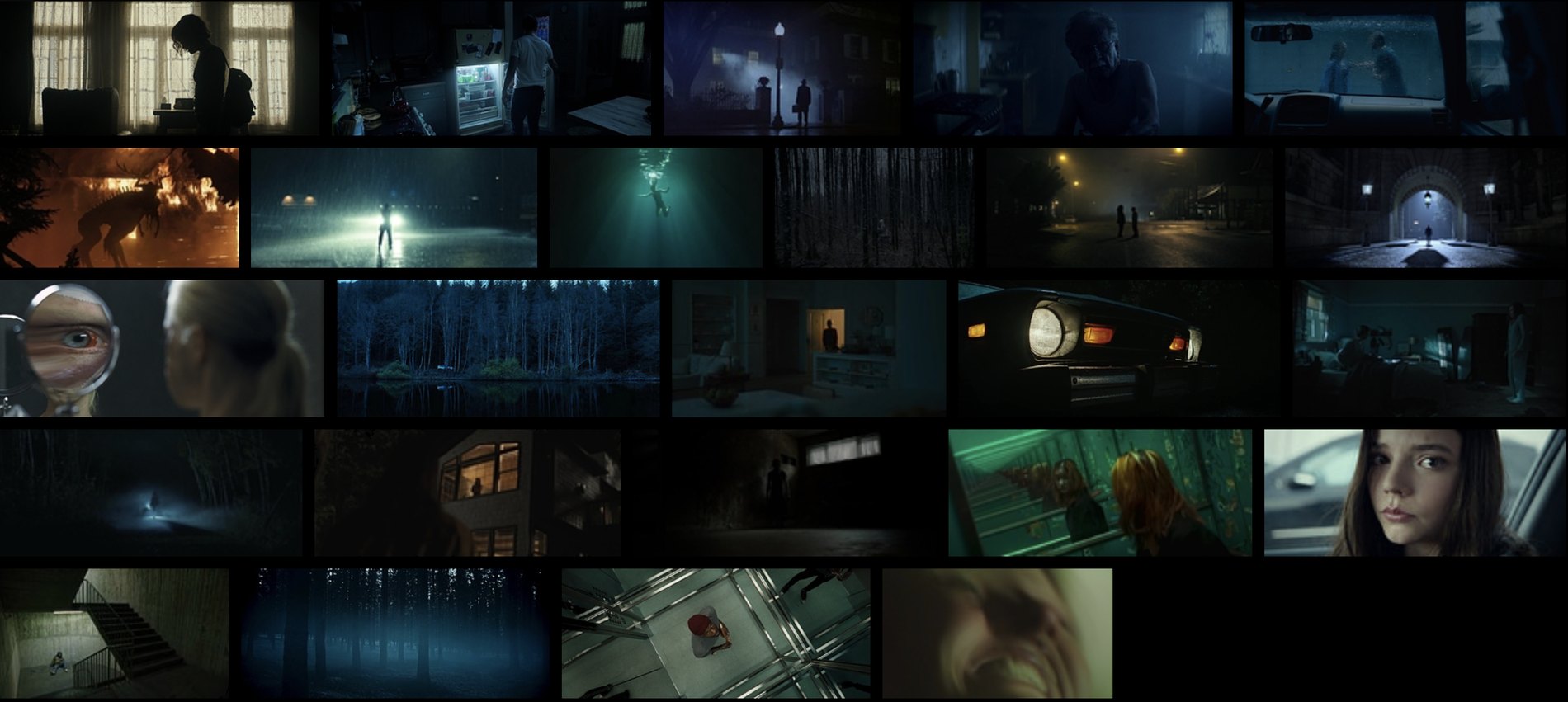
Tone moodboard
With the story set, I began the pre-production, starting with the shot list. I tailored each shot and scene to the script, working through the angles, the shot types, and the character movement we had blocked out, all while holding the narrative we wanted.
To go deeper, I created a previs shot list, recreating the set and the characters in Set.a.Light 3D to give a more detailed visual demo of the project. It let me cover the angles and shots we wanted, and plan the lighting: how much power we needed and the rigging setup, knowing its height and the elevator dimensions so it would sit perfectly on top. We also wanted control over the light modules, so we set a custom flicker preset that would give us that edge and keep it consistent with the intended feel. I rented the equipment from BudgetCam so we had everything we needed on the day.
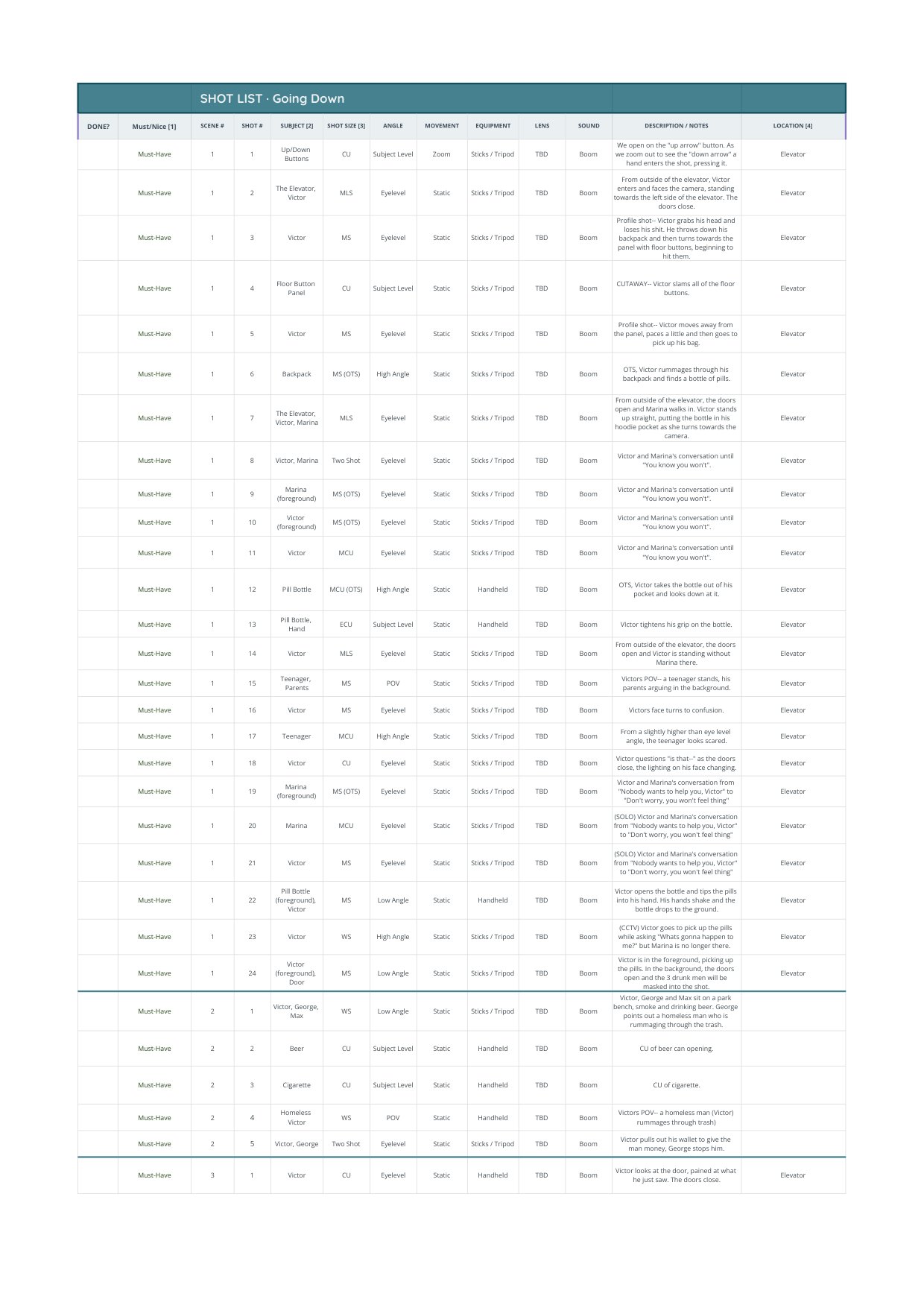
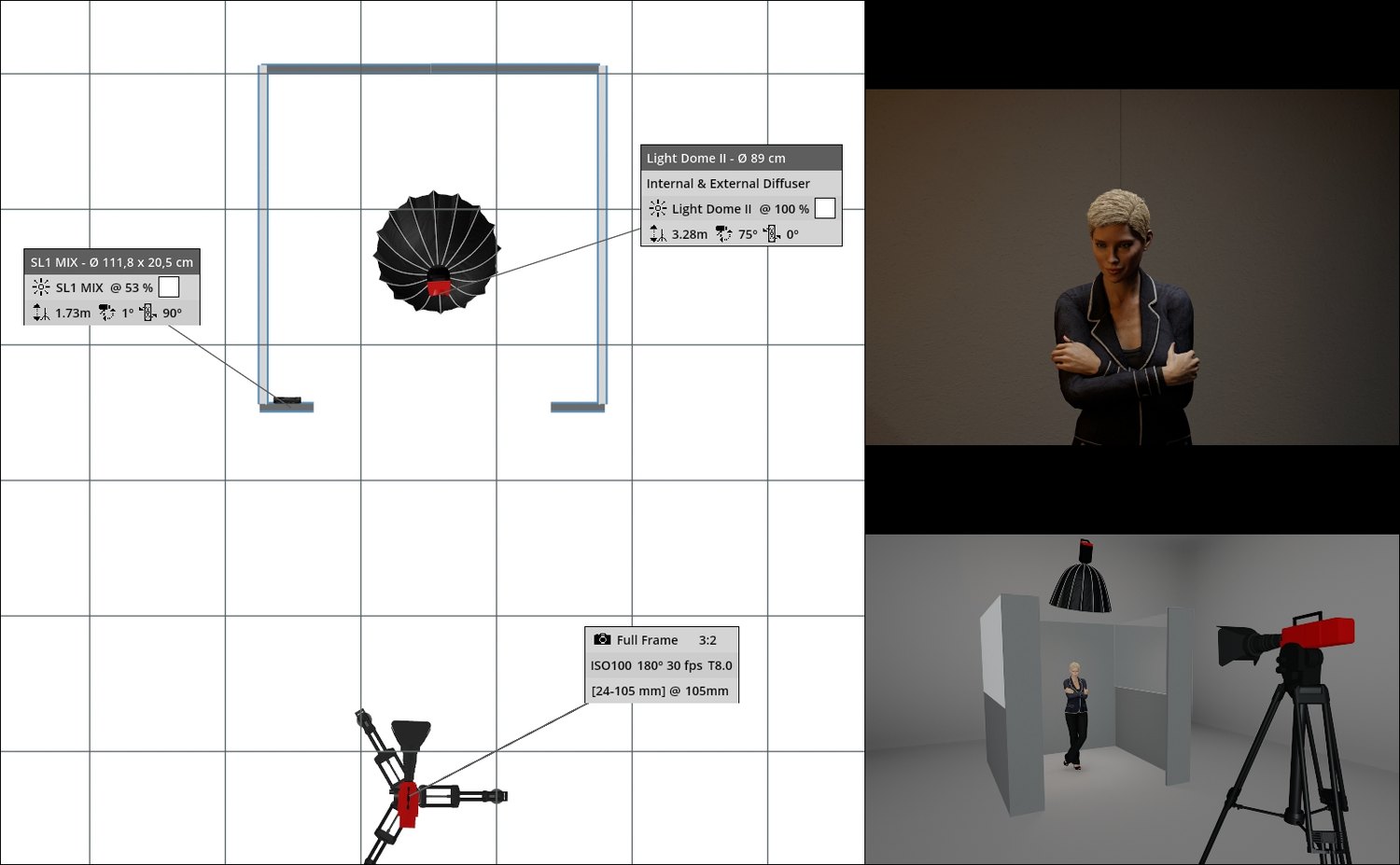
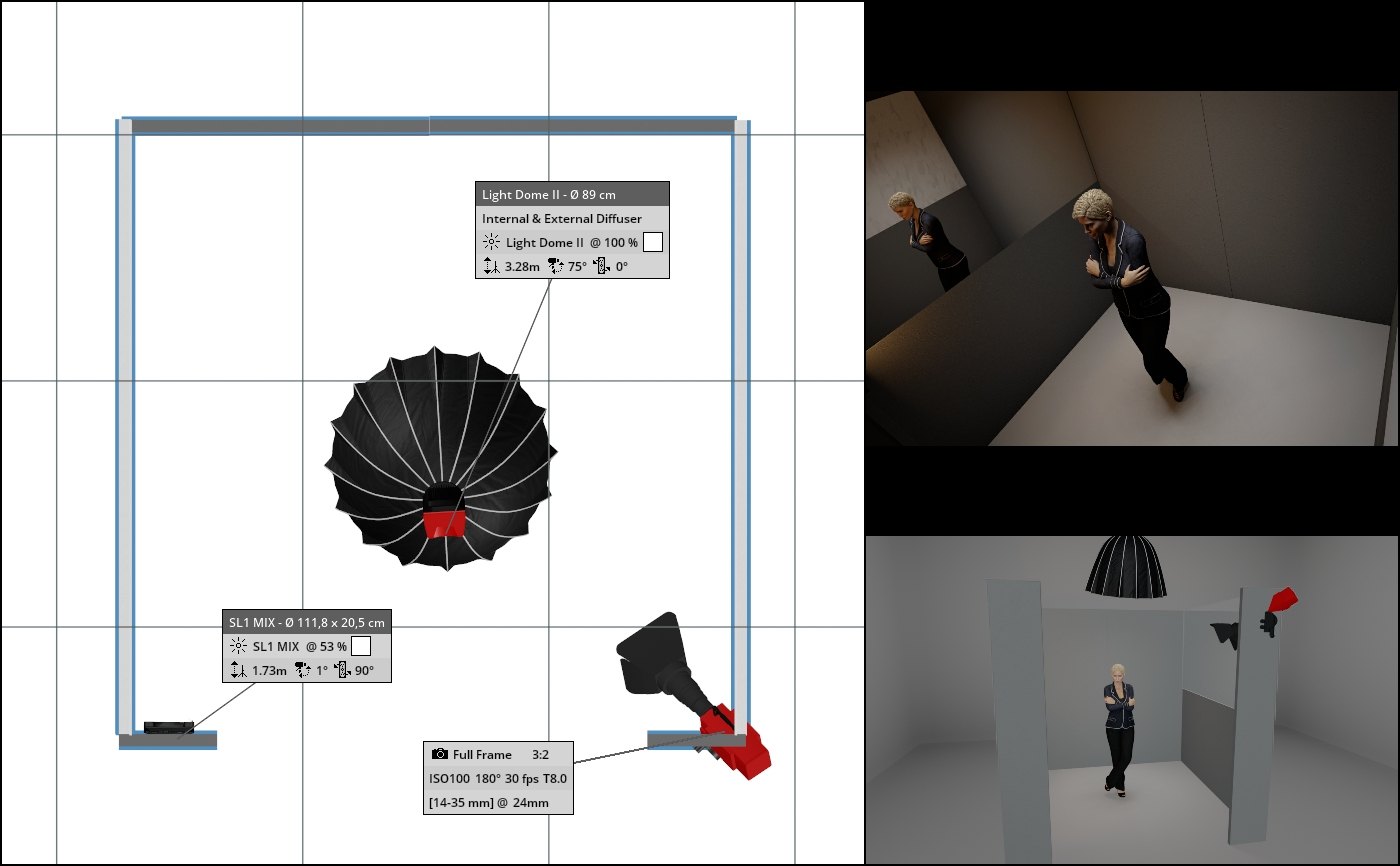
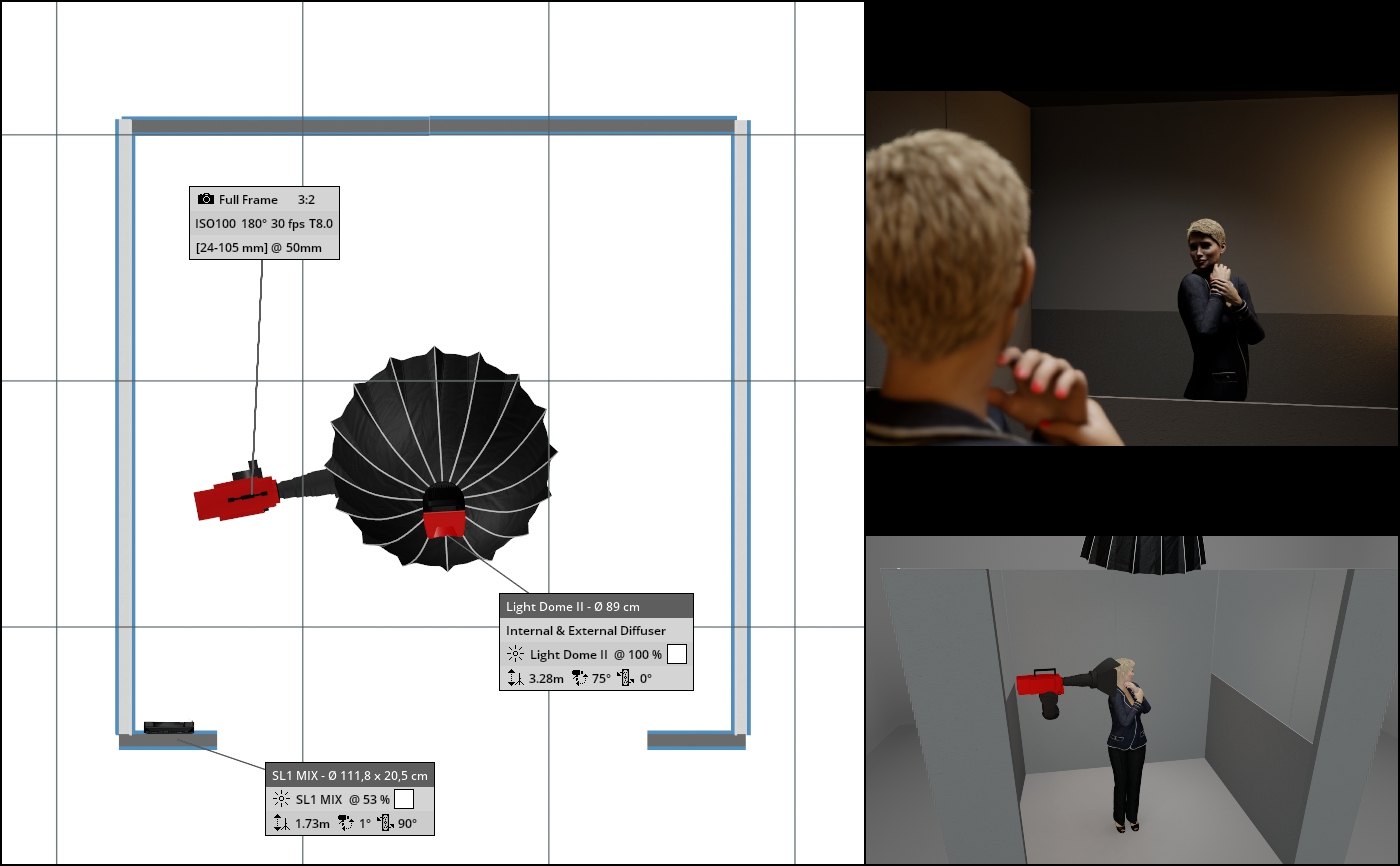
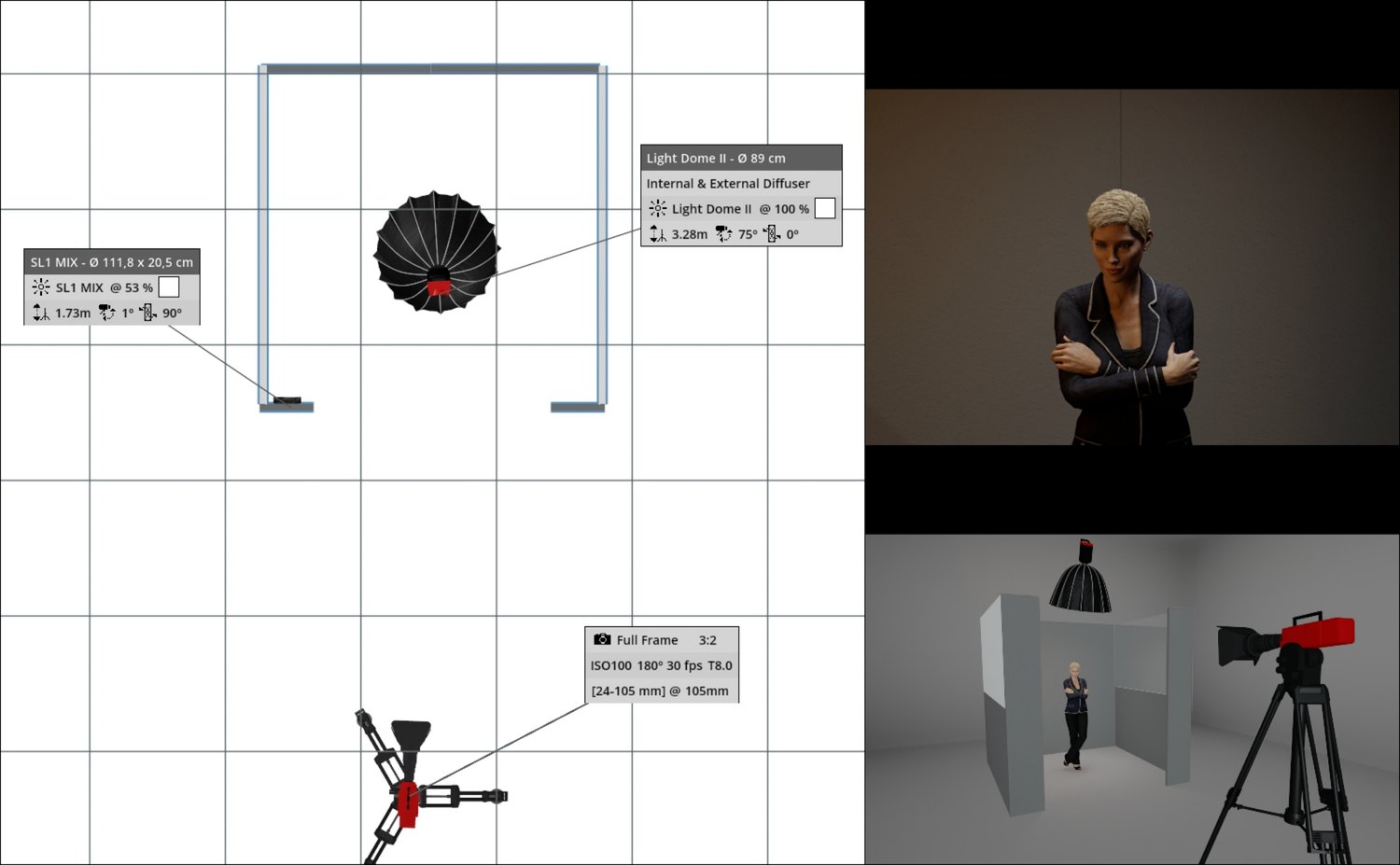
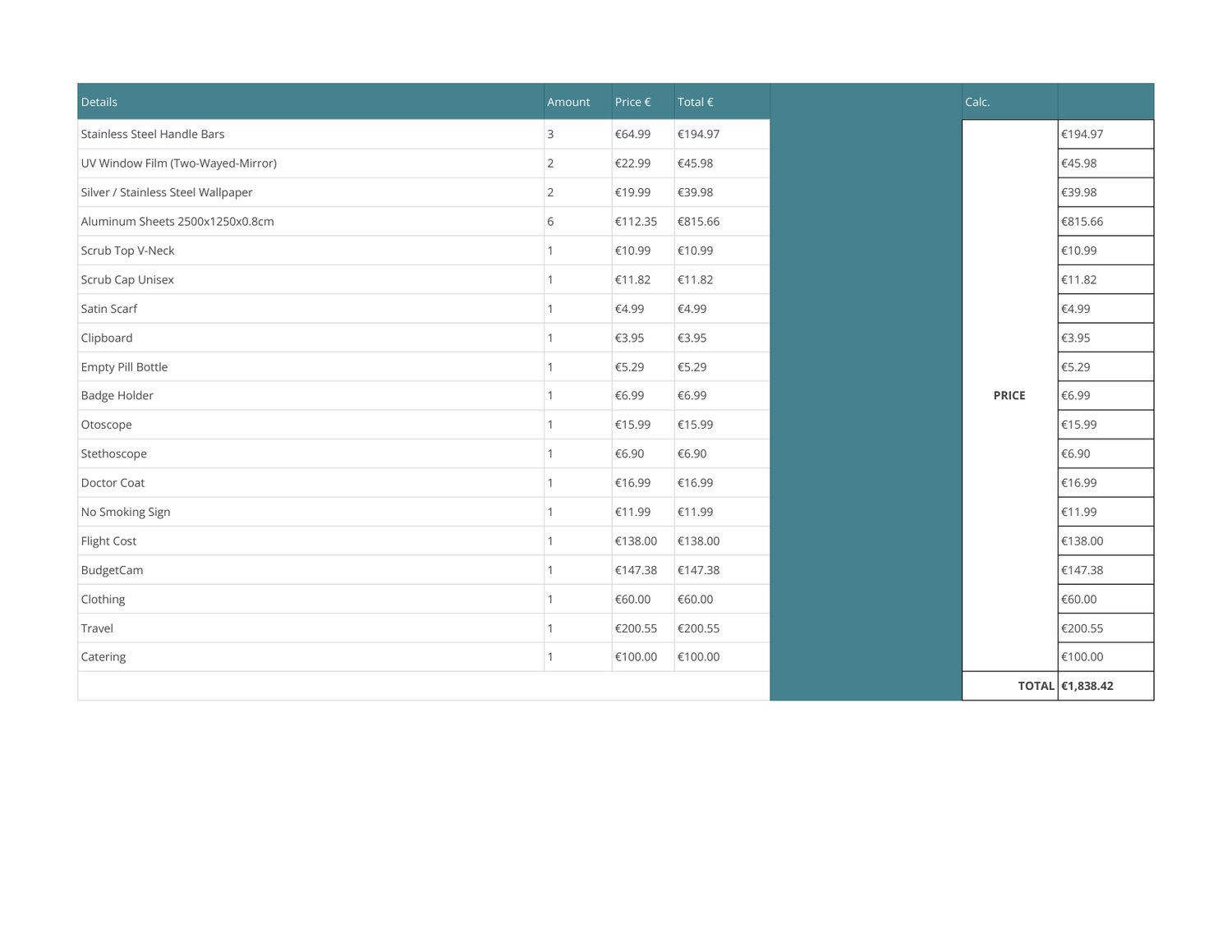
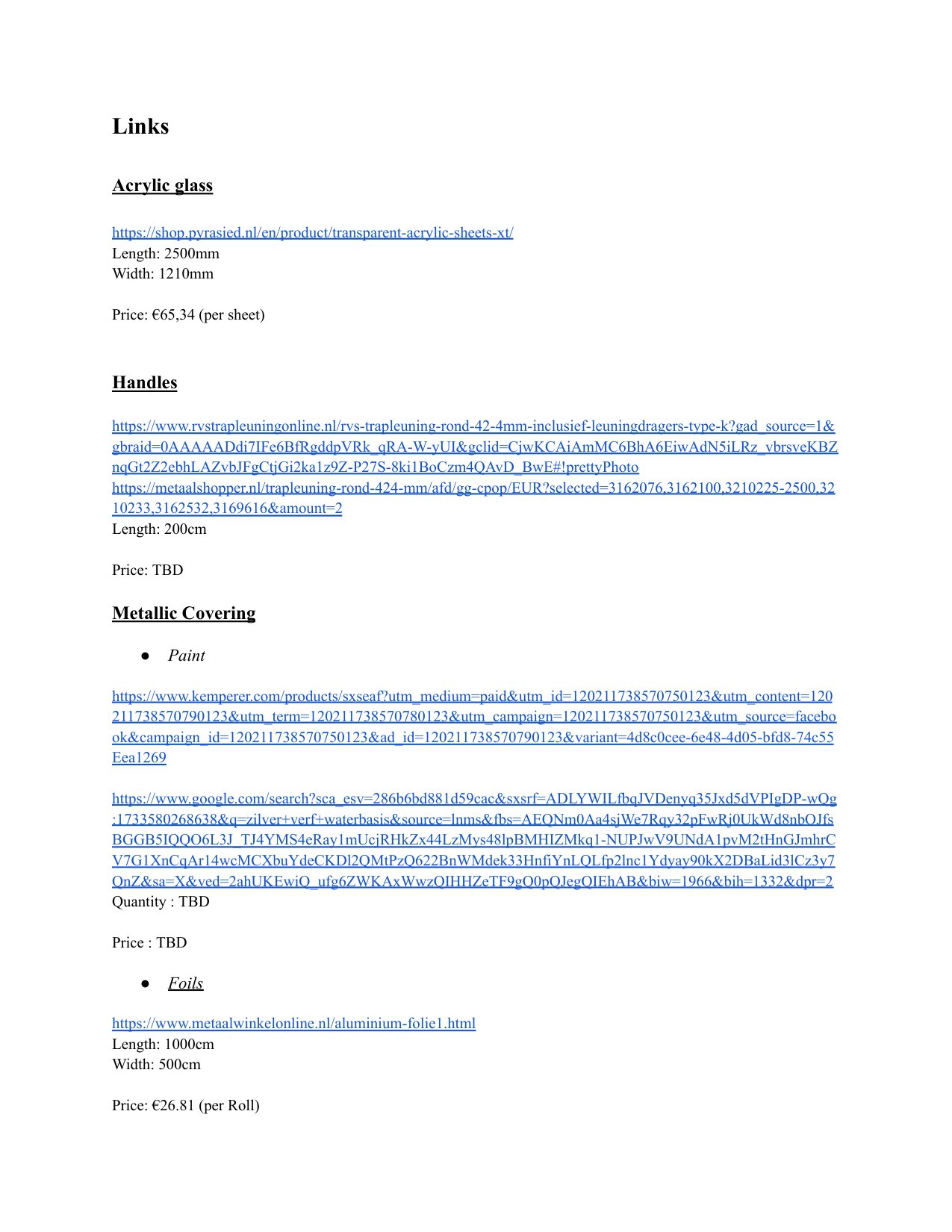
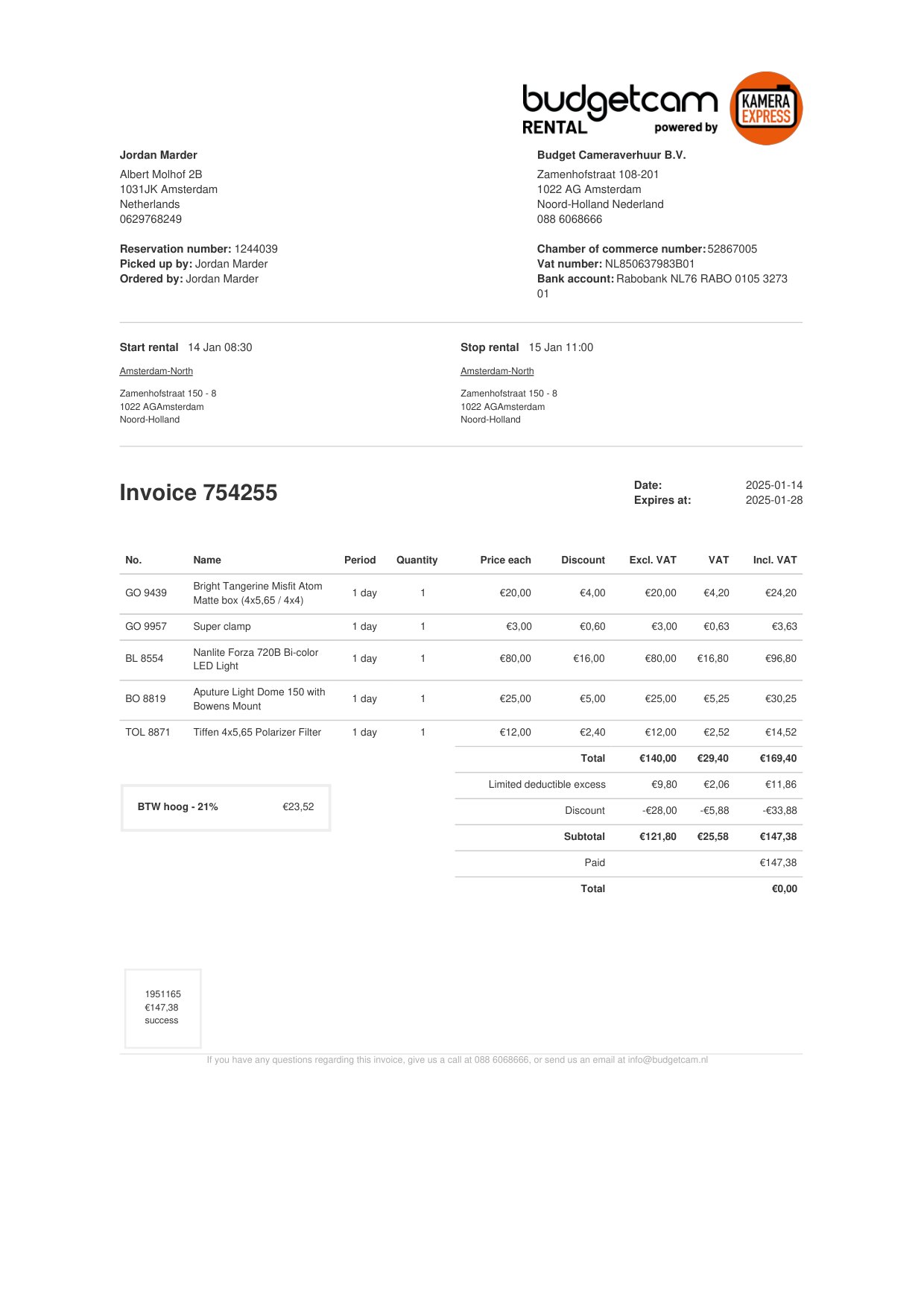
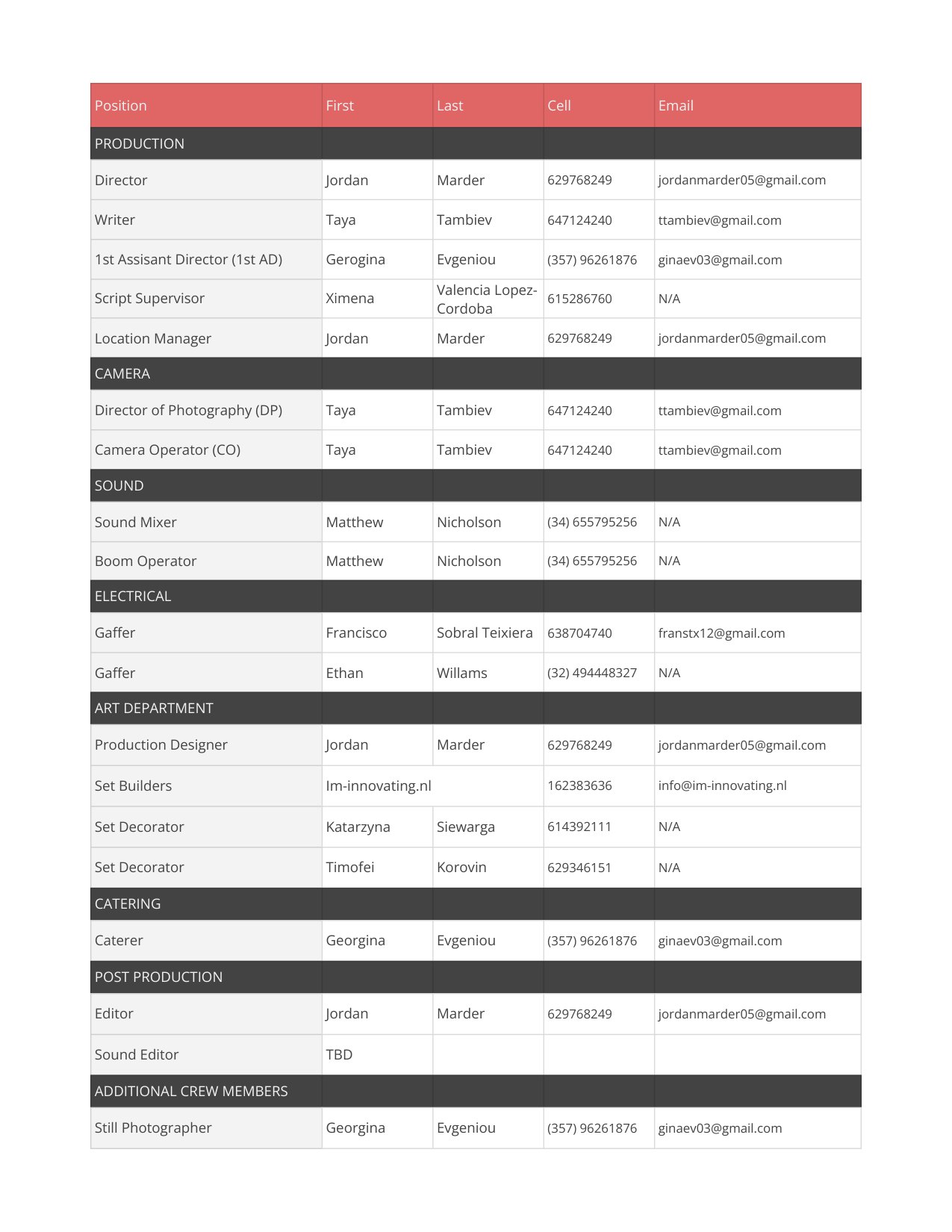
Shot list · Set.a.Light 3D previz · floorplan · budget, materials, rental & crew
One of the biggest decisions was still open: whether to film inside an actual elevator or build one. After a lot of research and going back and forth, calculating the costs, the permits and access, the functionality, the sizing, and the possibilities, I landed on one conclusion. We were building the elevator. Without a real one to work from, we would need to source everything required to construct it and sell the impression of an elevator.
I began with the layout, using set walls to assemble the size and space of the room. The room could not fit cast, crew, and all the equipment into one condensed space, so I took inspiration from “The Changing Room” by Sam Evenson and followed the studio technique of placing the camera outside and shooting in through a two-way mirror. This also gave the talent a separation, letting them get absorbed by the set without the camera and crew in the vicinity. After deciding between acrylic and film, we went with two-way mirror film and attached metal sheets to the wooden set walls.
The only issue left was the doors. After looking at rolling doors, lifted frames, automatic systems, and even staged VFX, I landed on manual doors on rails, attached to the front edges of the elevator with a safety hook at the top to support the weight. Running them manually turned out to have a visual benefit too: the doors shut inconsistently, so we planned for that, using it to add an edge and a bit of intention that fed back into the film’s theme.
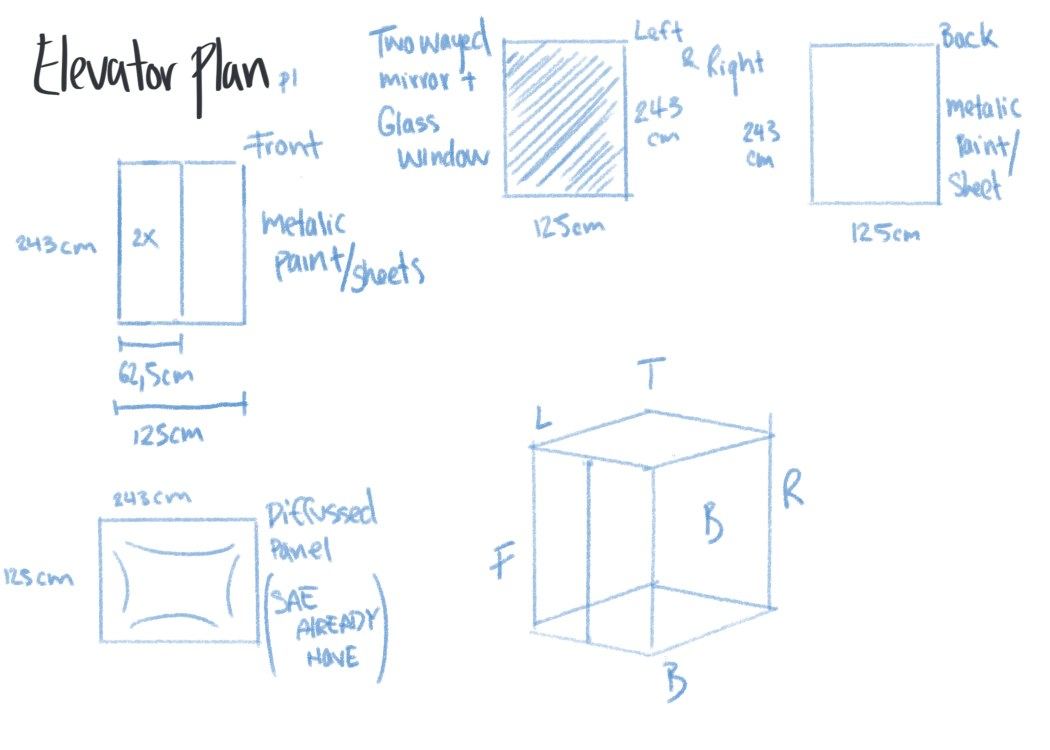
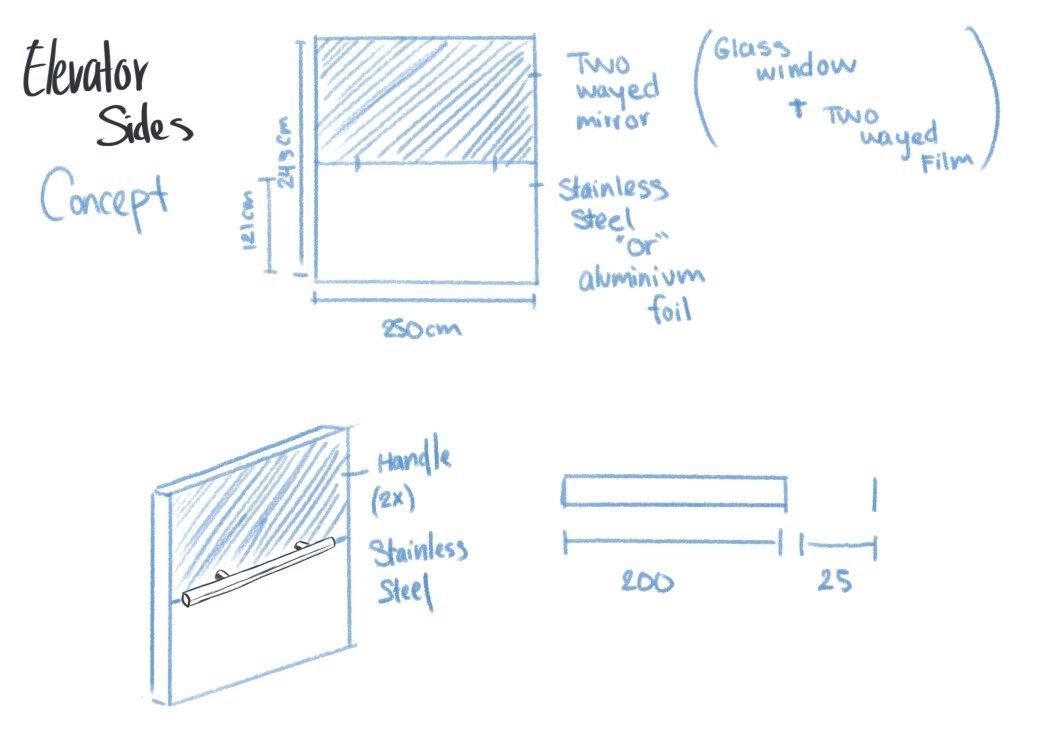
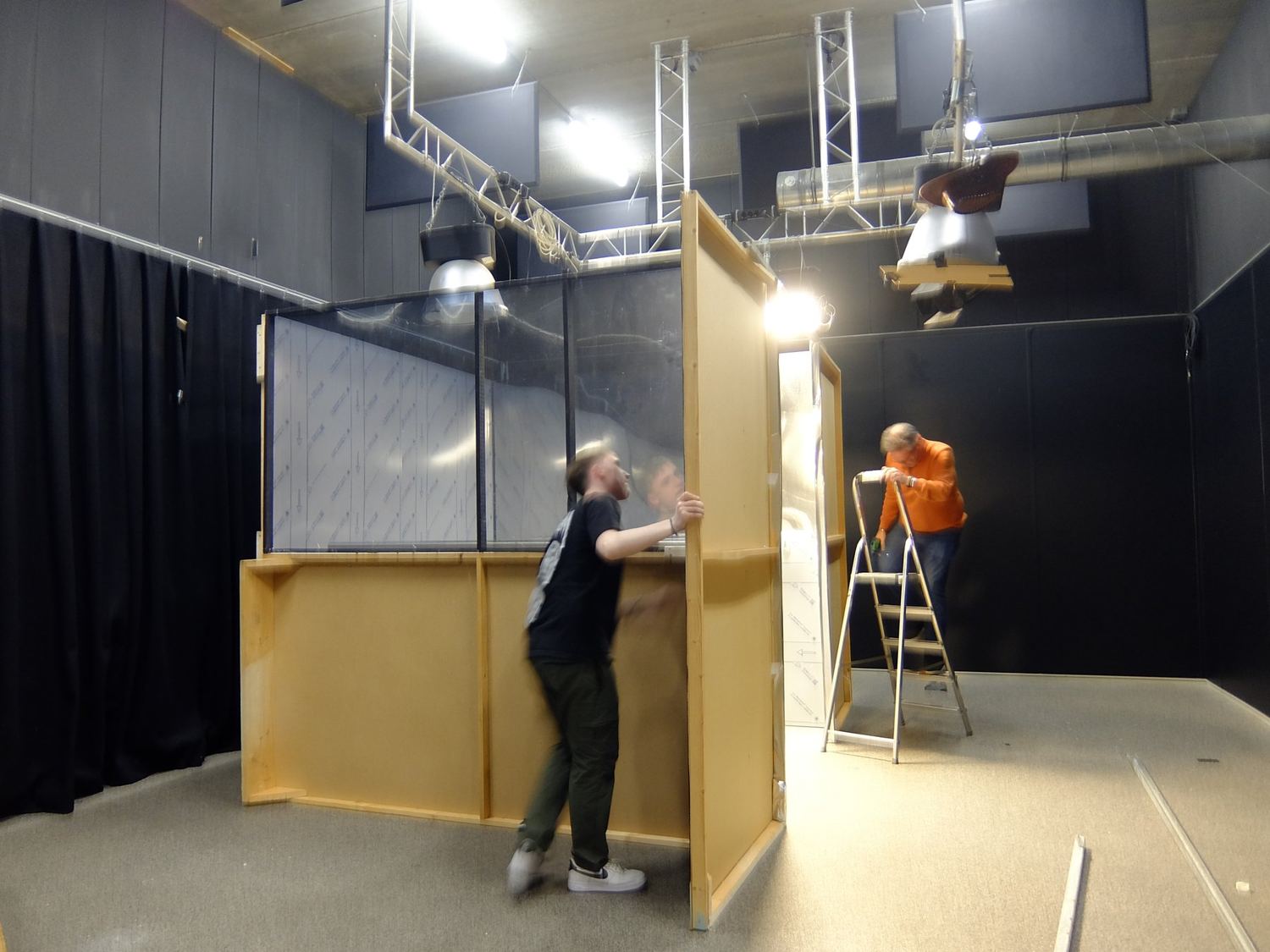
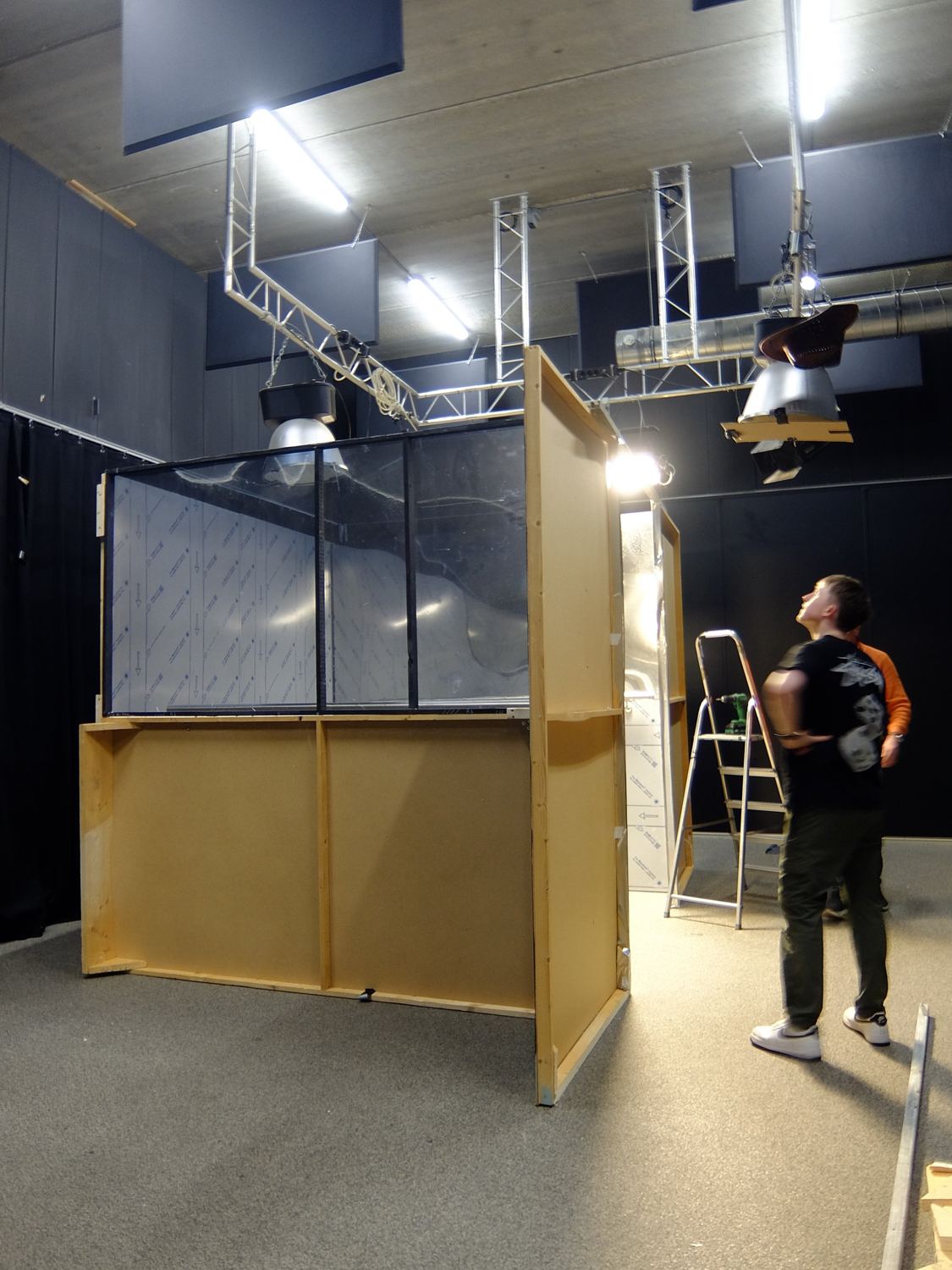
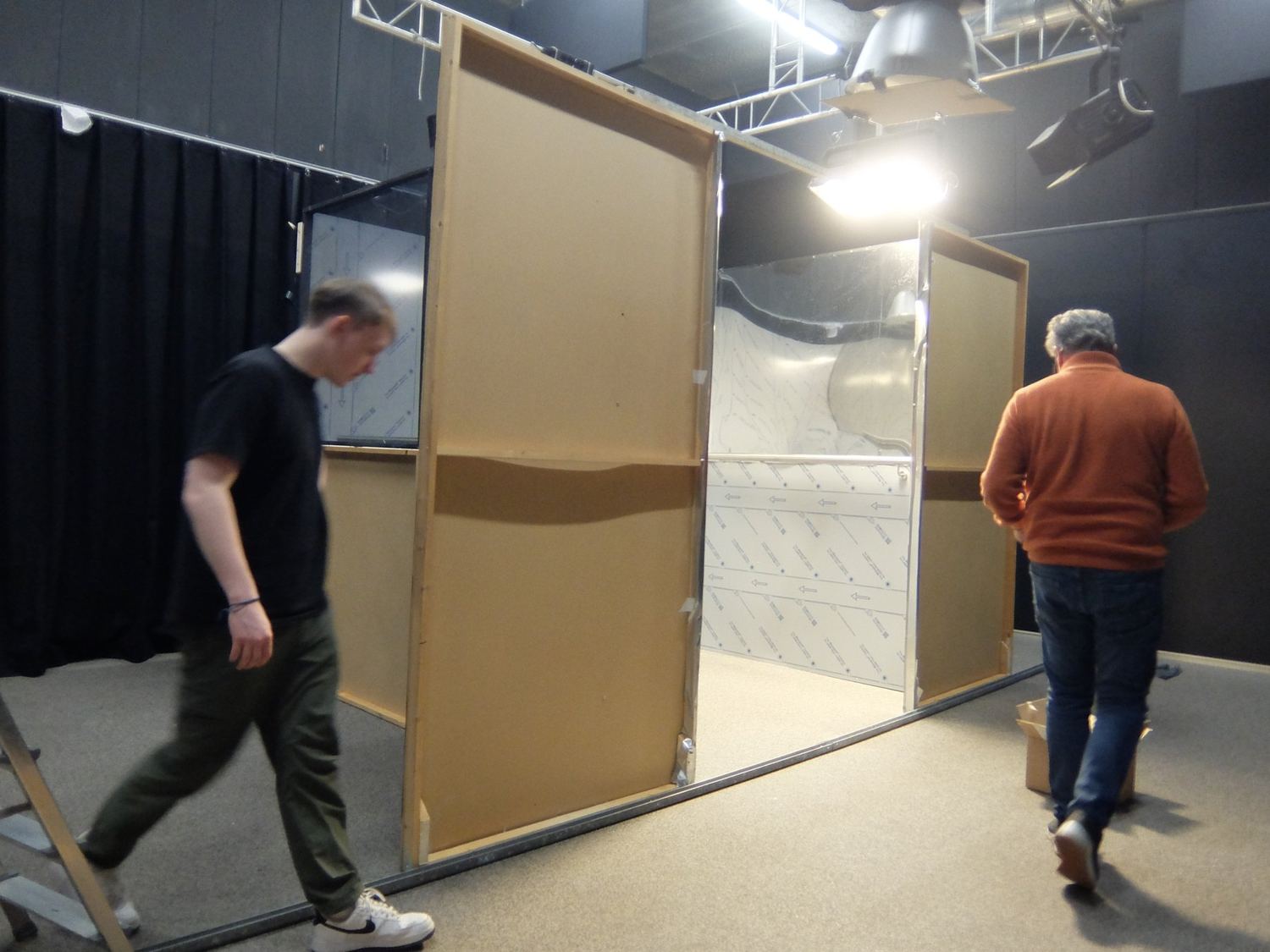
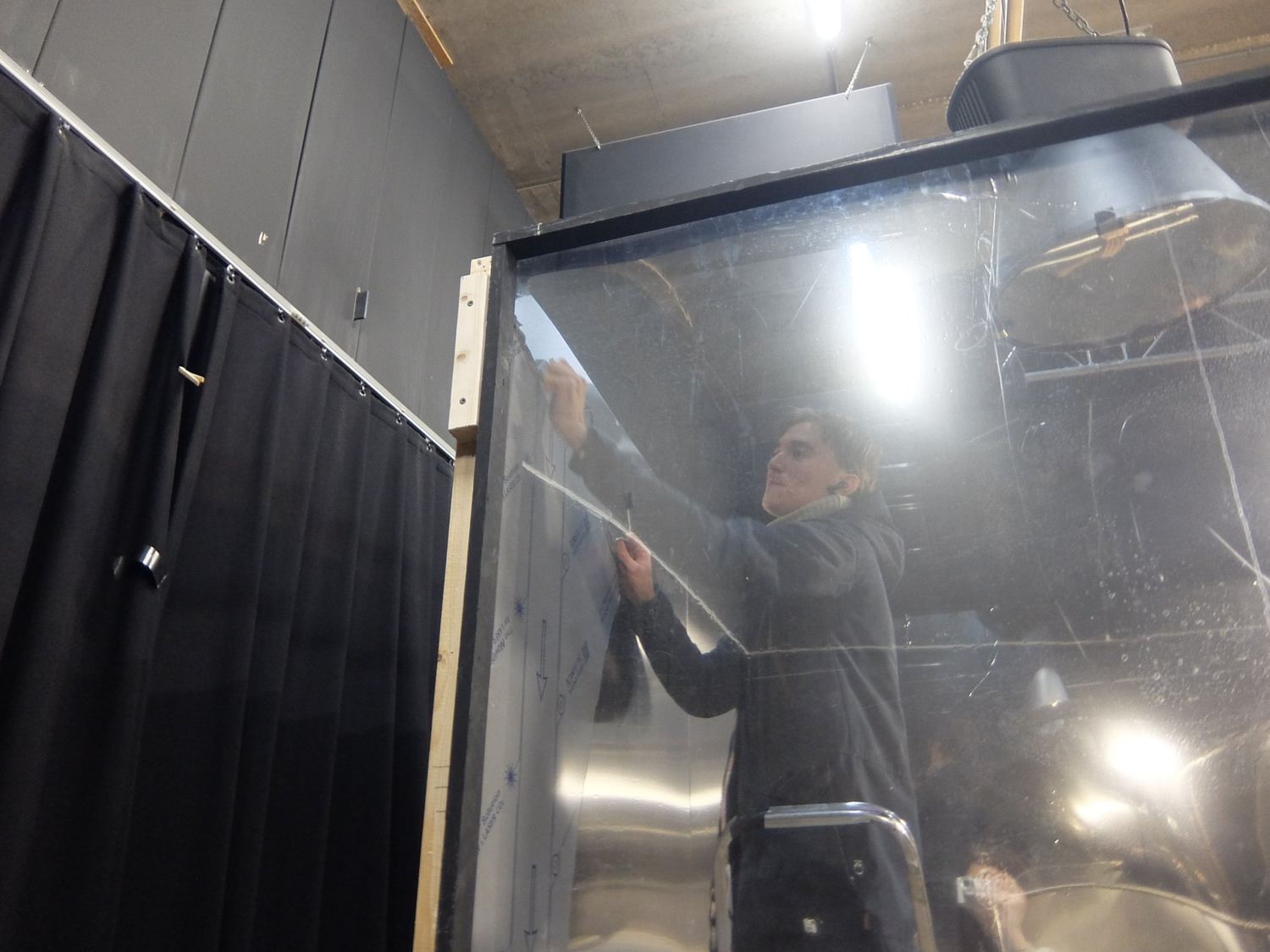
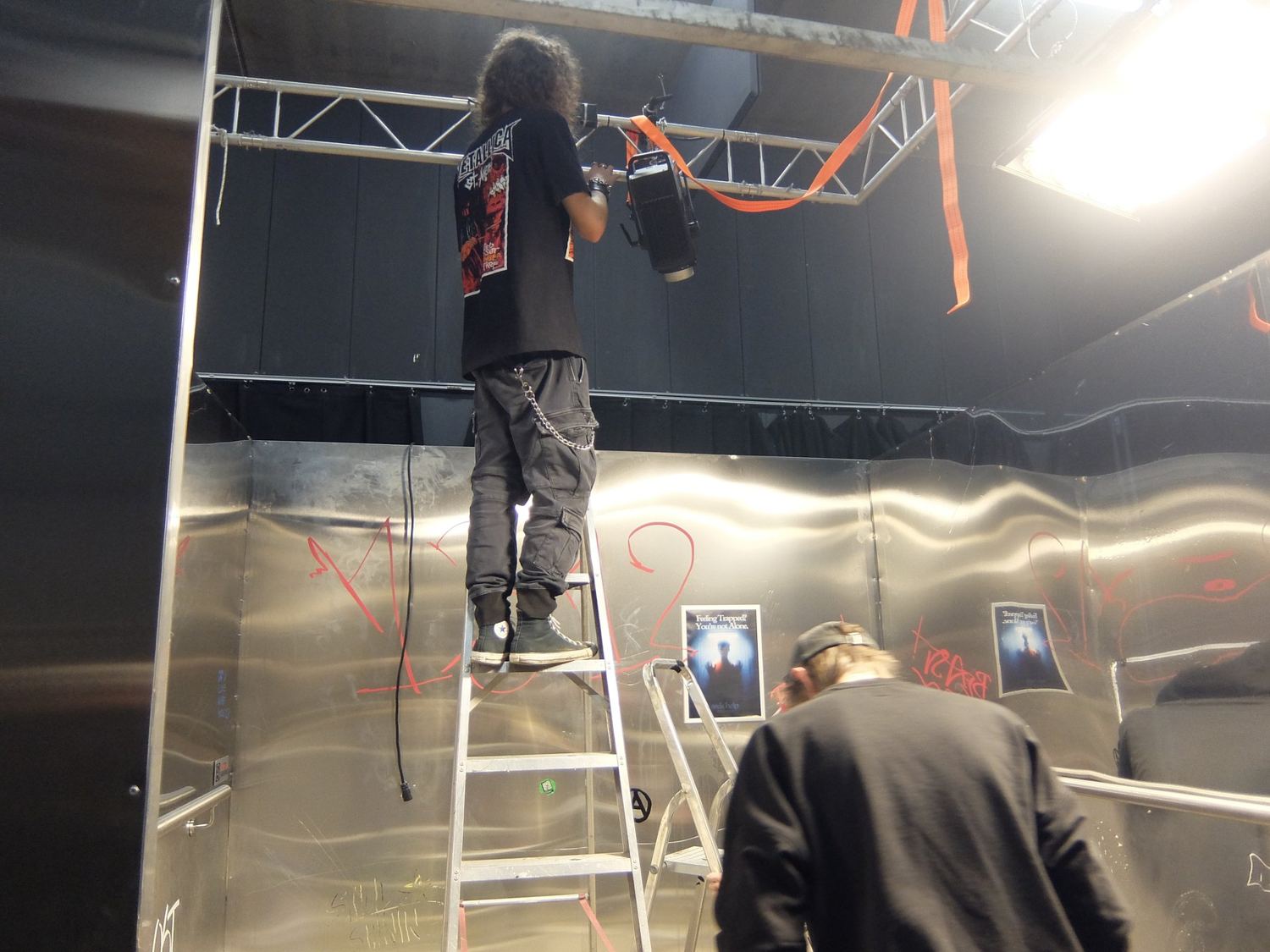
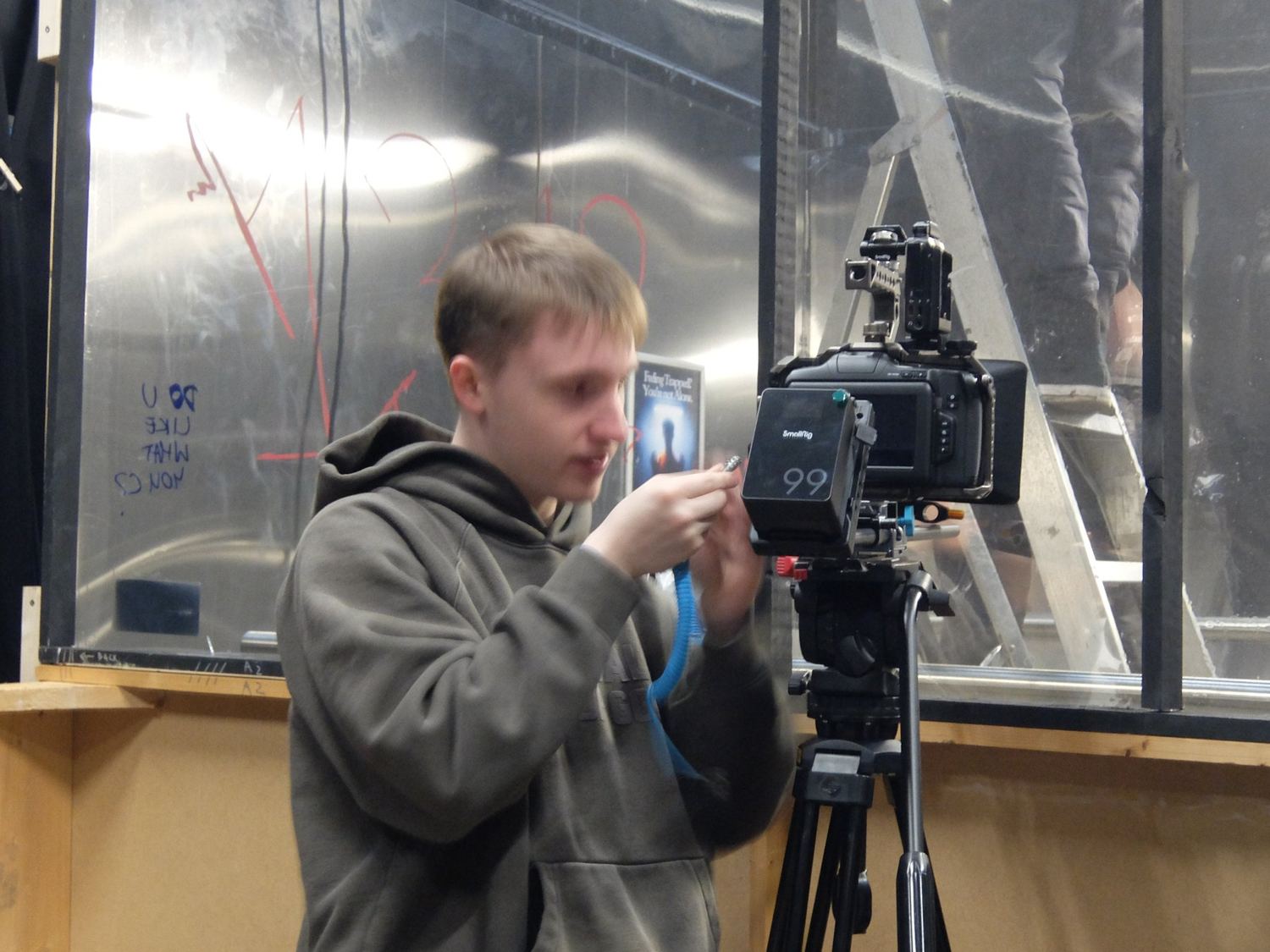
Elevator plans · set walls · two-way mirror · camera shooting in
Alongside the build, I planned every other resource: the props setup, the additional insert days, ordering the materials, and hosting the auditions to match the characters we had written to the talent who would perform them. We arranged transportation and flight coverage so the project would be as prepared as possible on the day.
I was overseas as the equipment and resources arrived, having arranged each department and created the concept for the elevator. On paper, the project was set, but we were not certain that bringing it all together would end up with the result we had envisioned. I flew back a week before the shoot, still missing an assembled elevator, only the parts. So I came into contact with a partner, IM Innovating, a company in the Netherlands that specializes in machinery and systems for leather. I drove down to Breda to pitch the construction plan. They were not set builders, but they had the facility, so I demoed a physical 3D model of the elevator to show them the concept. After discussion, we decided to see what we could achieve. We had four to five days until the shoot.
We shipped ten empty wooden walls from Amsterdam to Breda, and were told to have them back on the last day, one day before the shoot. On that final day, I went to Breda. When I arrived, IM Innovating had shaped and sized the metal sheet to match each wall, having them all drilled down. The two-way mirrors were applied on the acrylic sheets, the doors were functional, and the wheels were on. We marked the drilling and assembly points, dismantled the walls, and drove them back to Amsterdam.
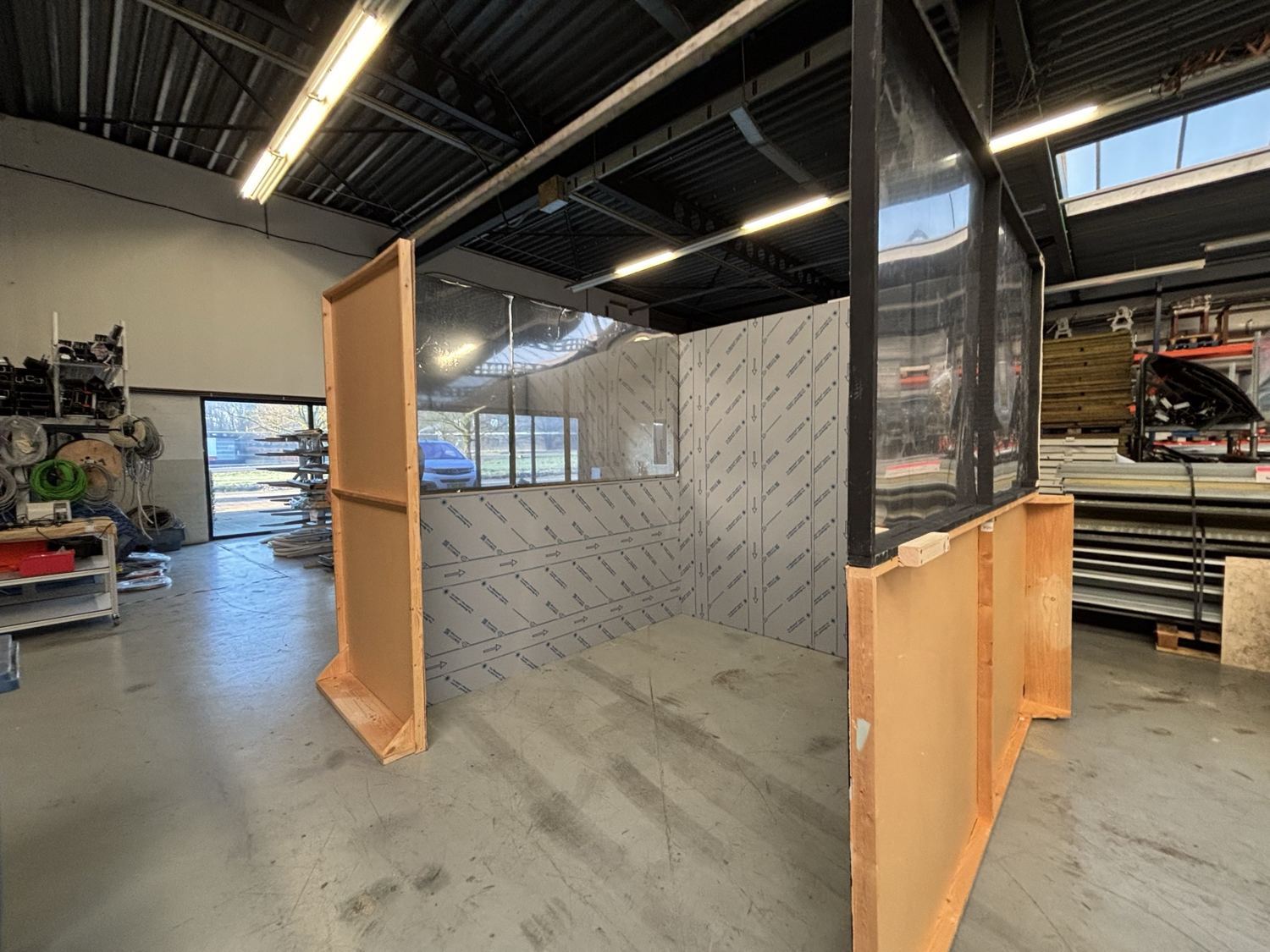
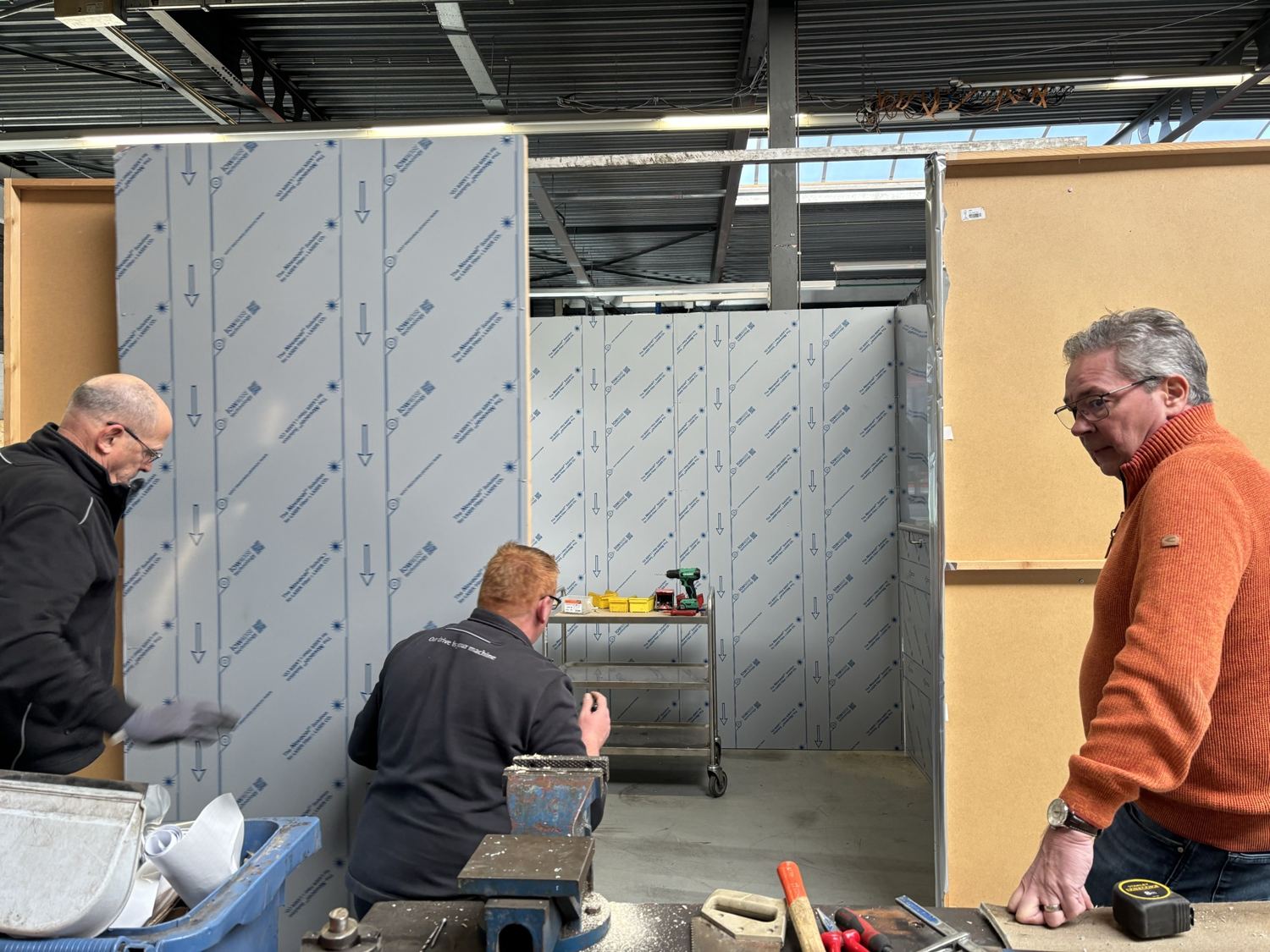
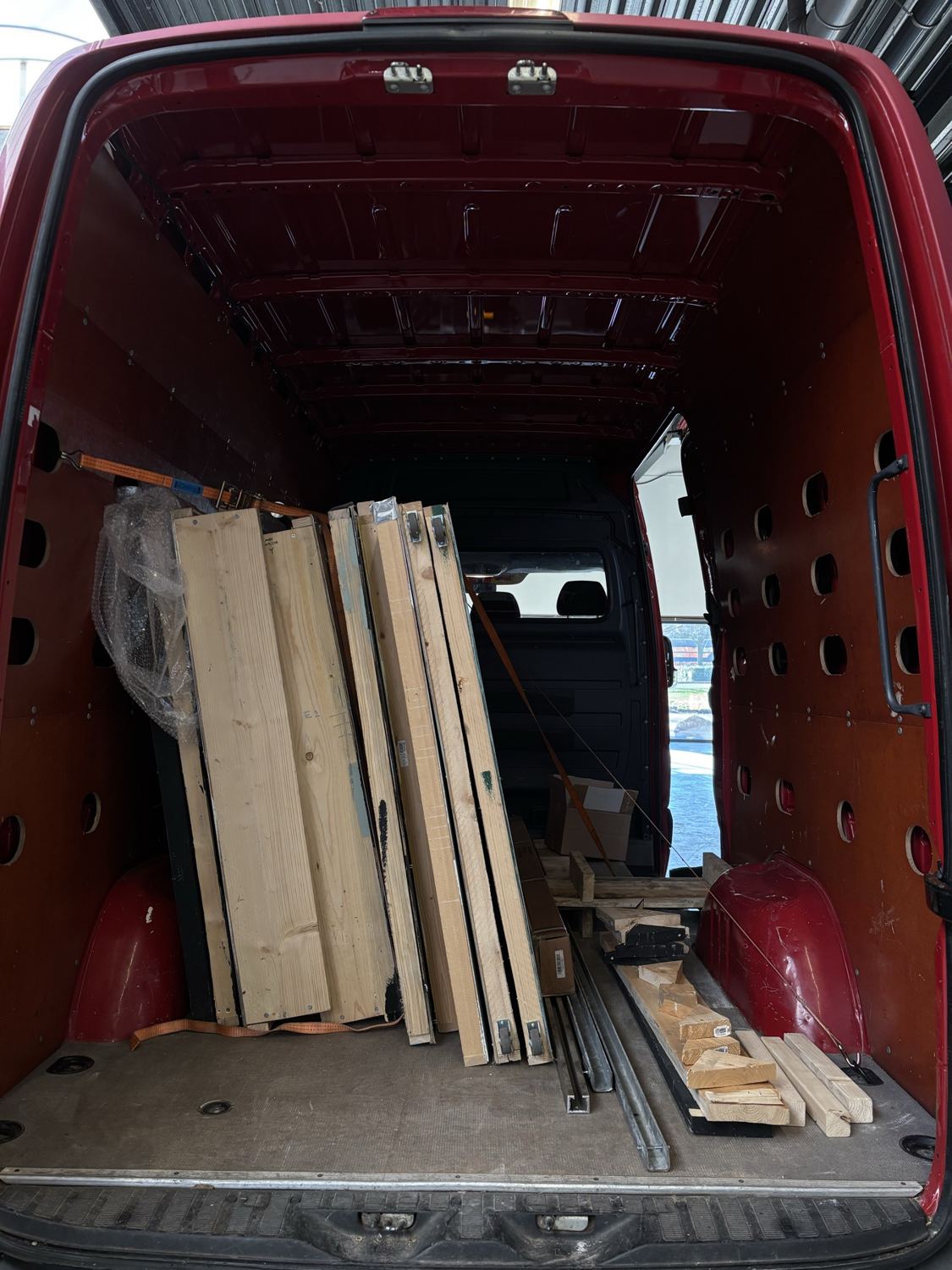
Assembly · metal, mirror, doors, wheels
We reassembled the elevator in the studio, testing the lighting conditions and the camera placement, verifying that the two-way mirror system worked and that the doors were rebuilt and functioned. All of that theory had just become reality.
The shoot day flowed. The cast and crew were fully prepared on what to do and how to navigate the elevator set, and we followed the plan directly as it guided us through the day. The additional insert days were filmed the same way, planned and accounted for so they matched the film’s continuity.
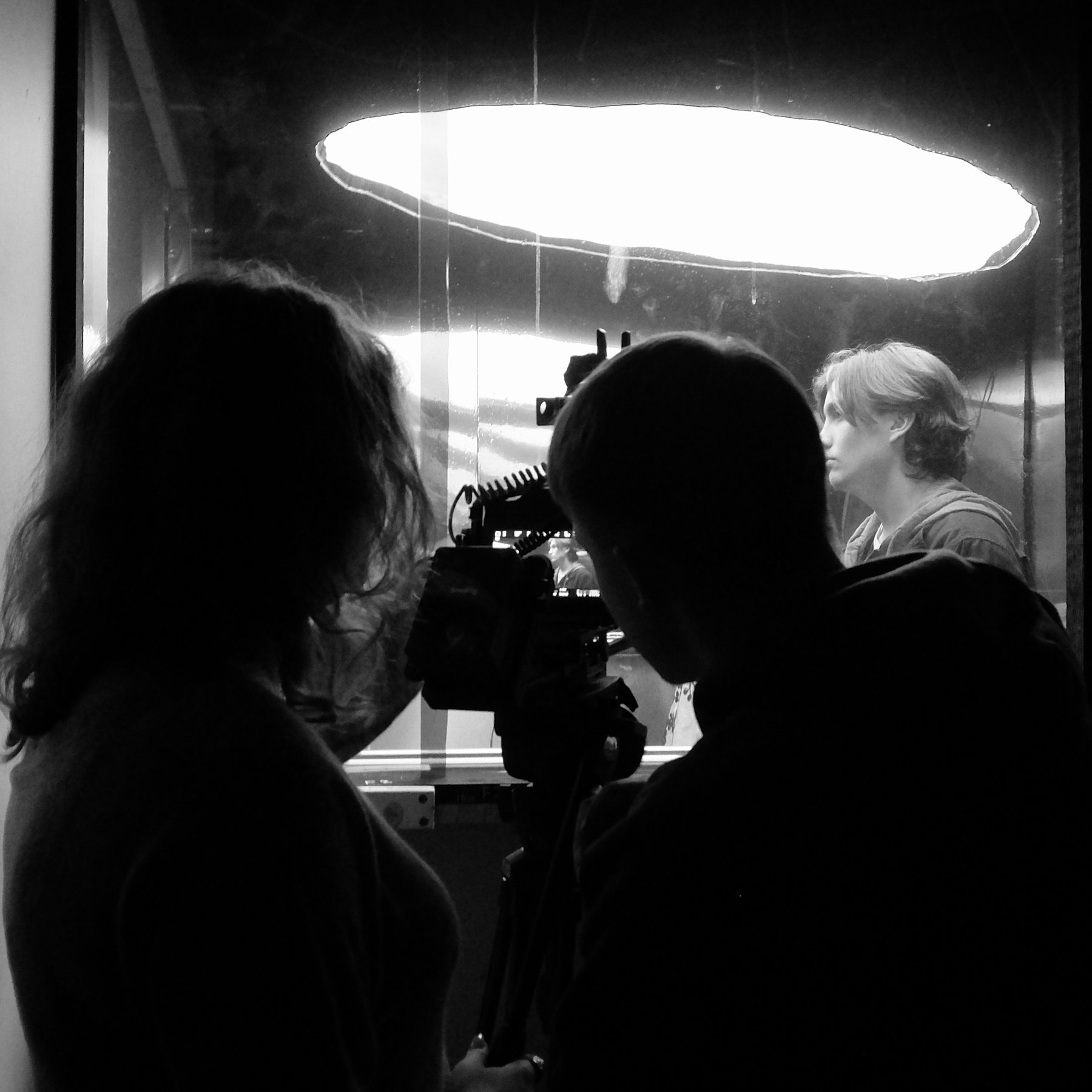
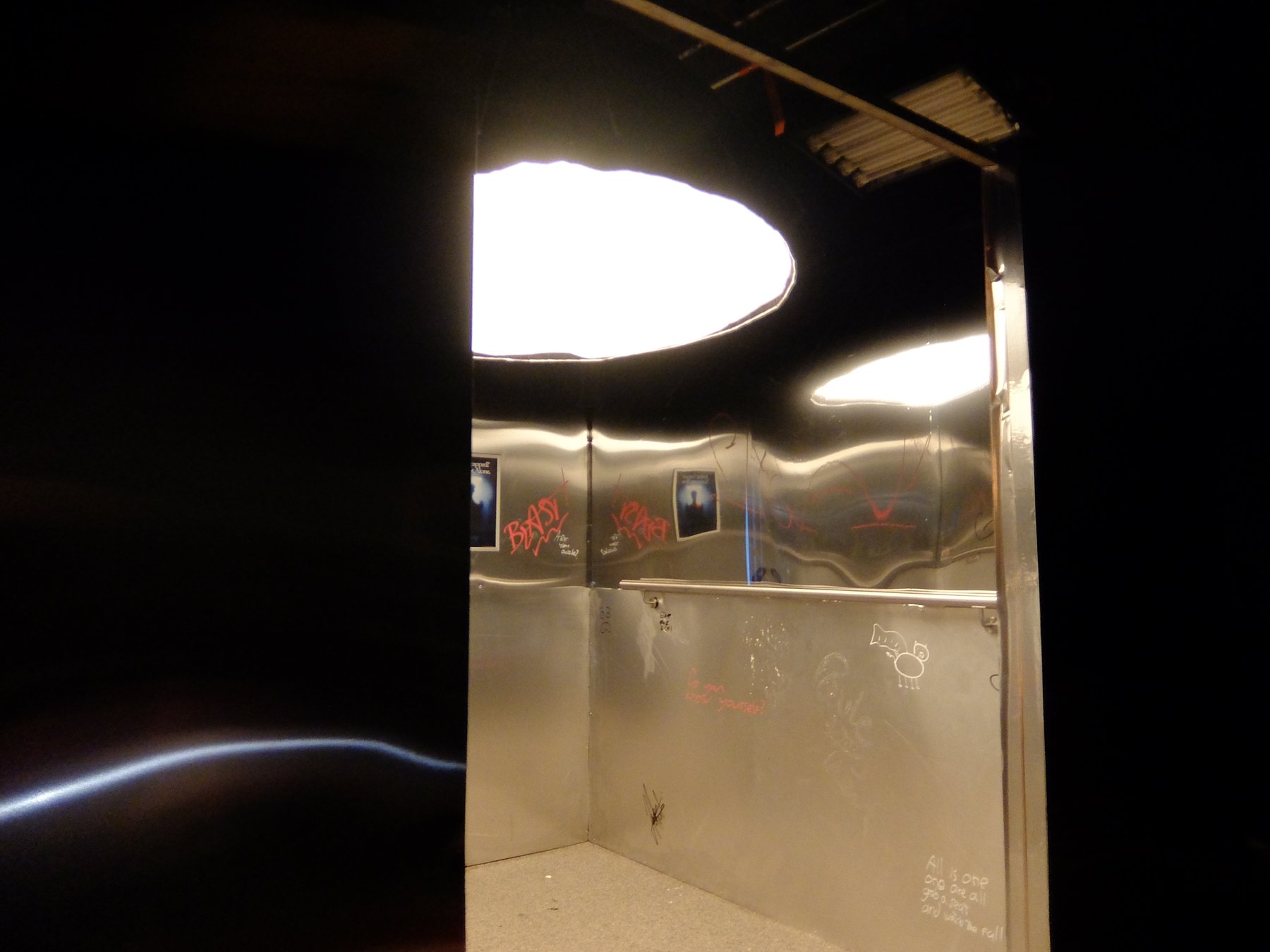
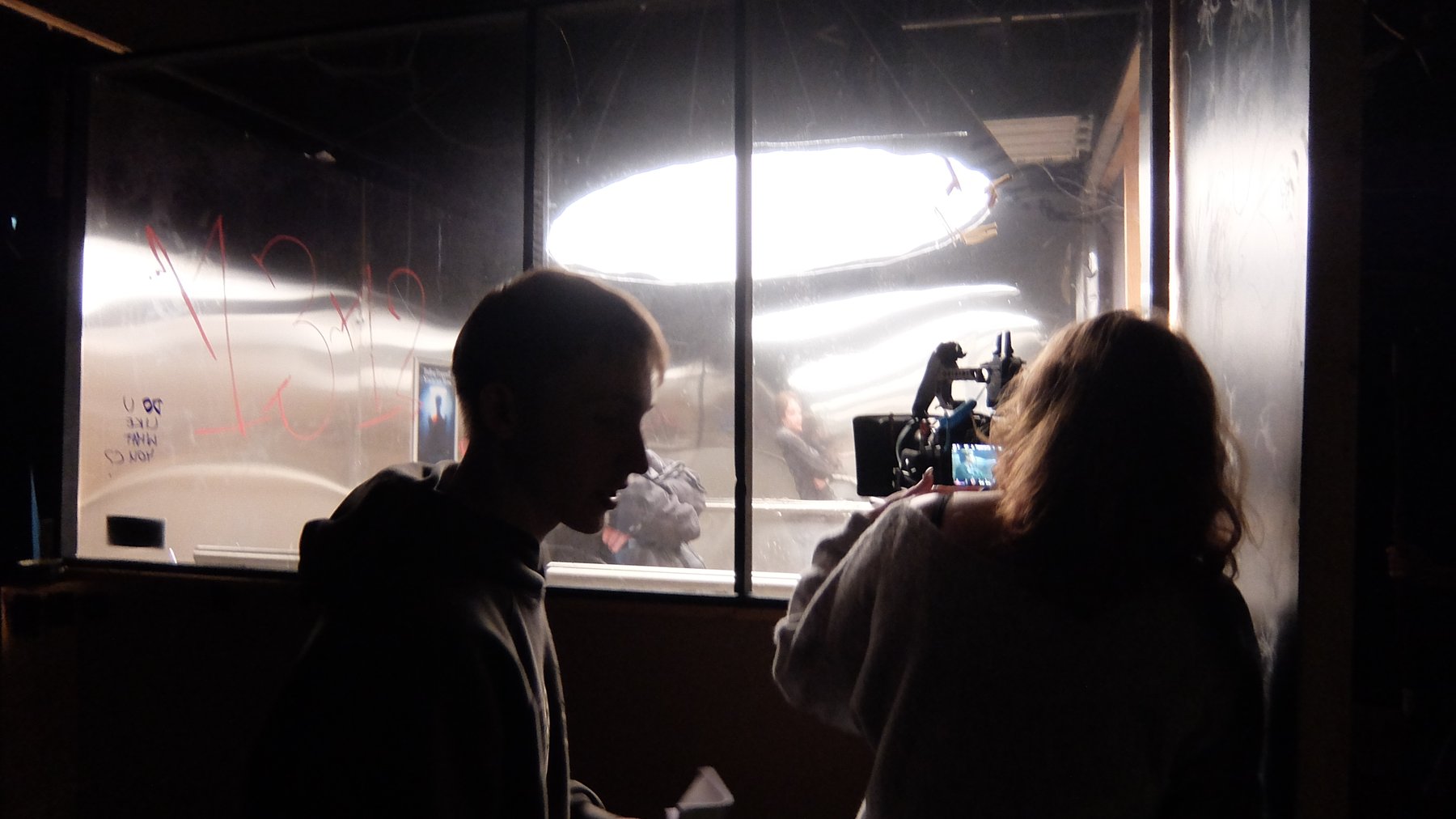
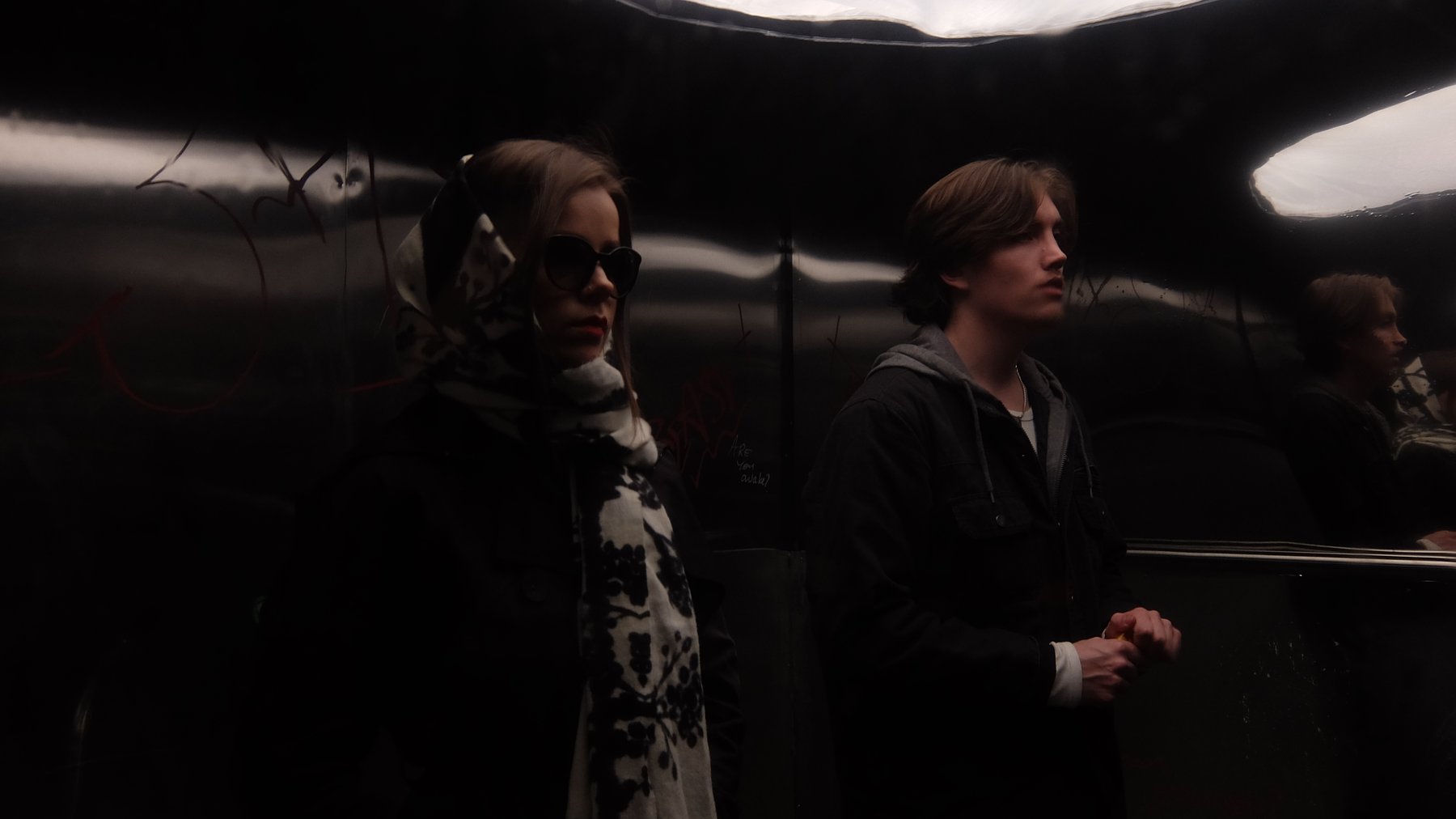
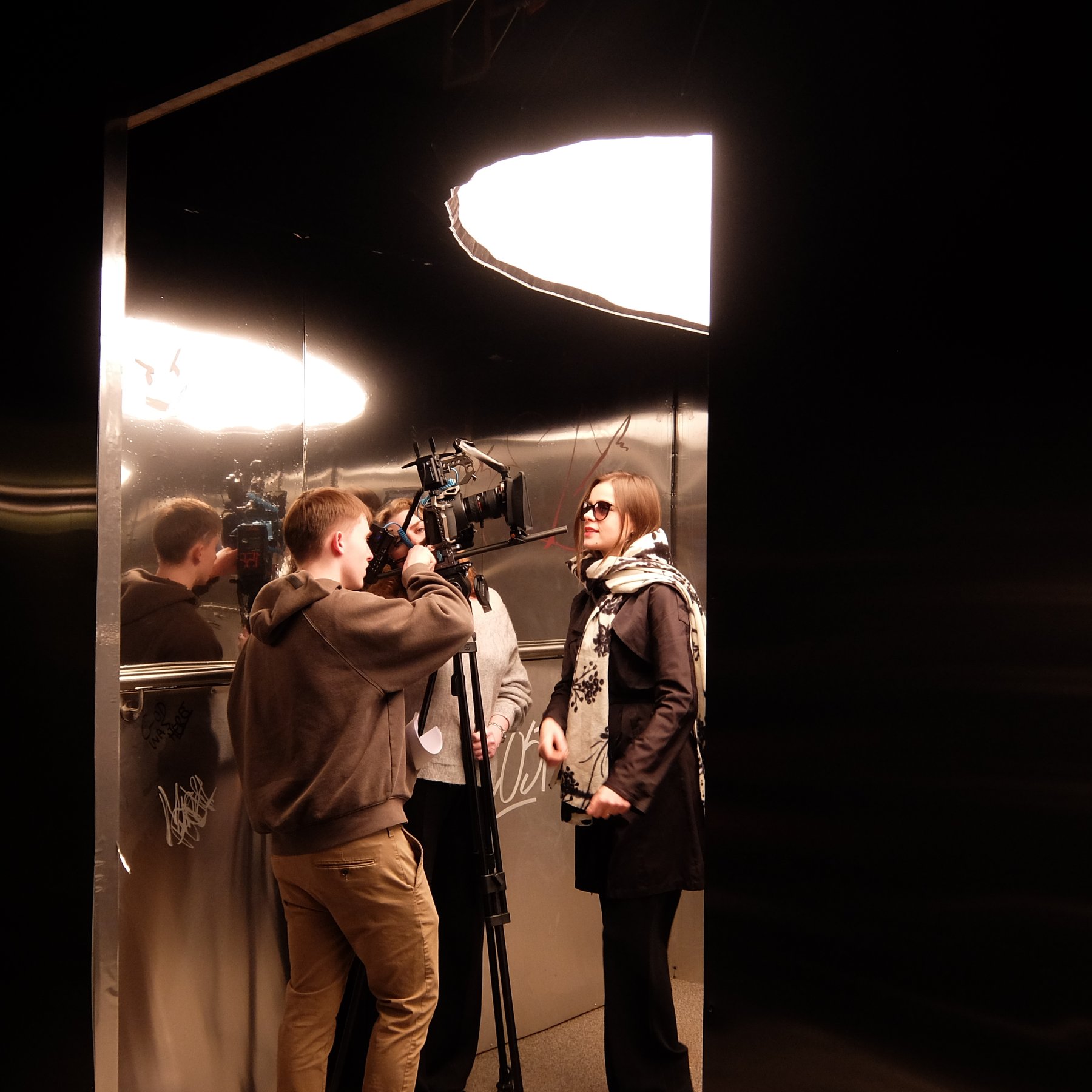
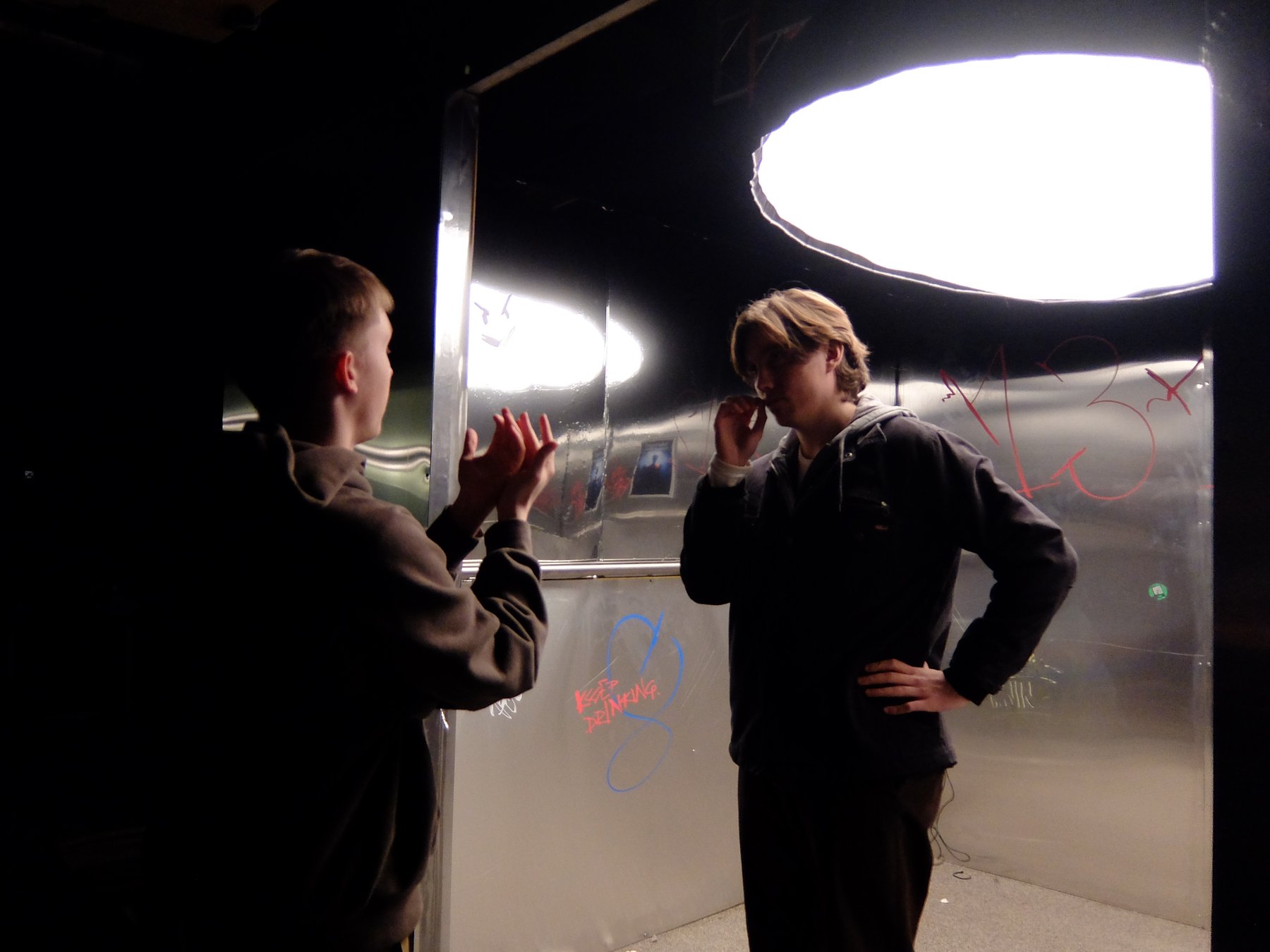
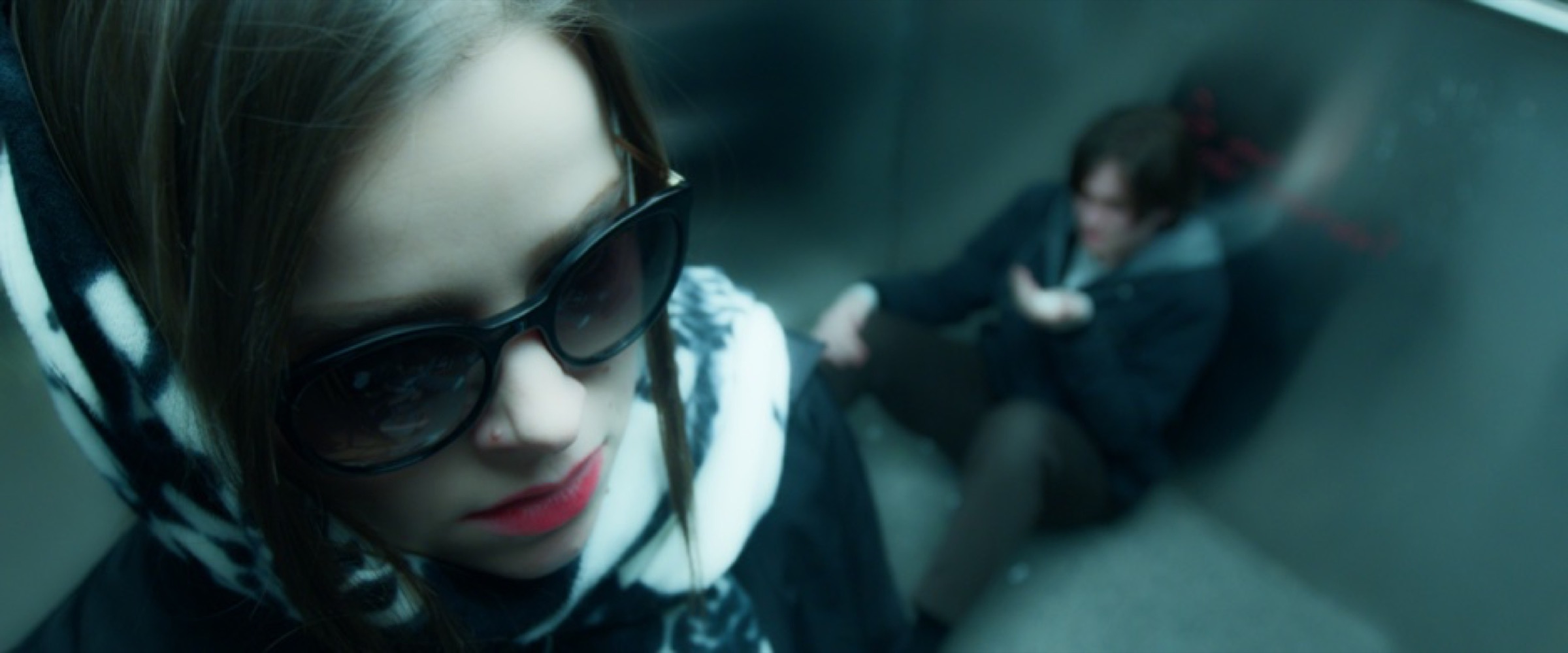
The lit set · camera through the mirror · cast inside
The Film
02 · Execution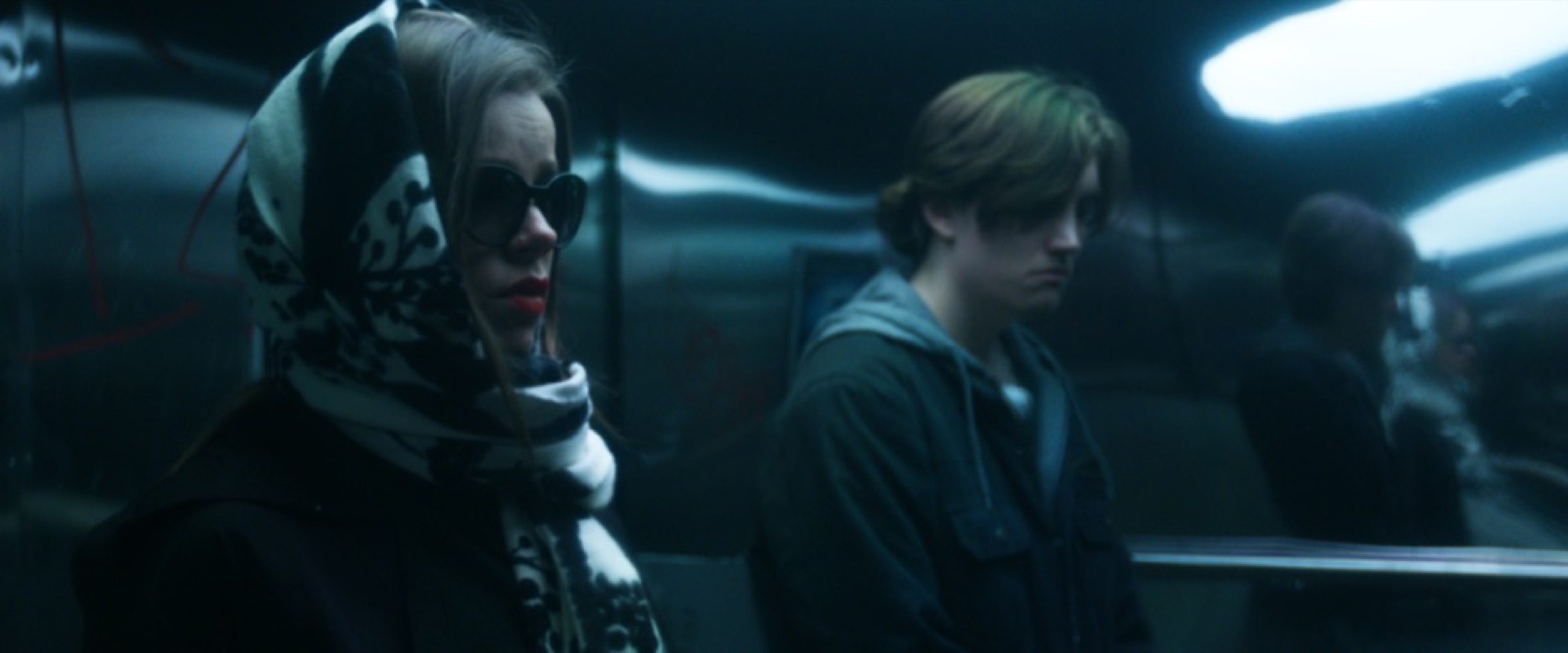
Selections
03 · Festivals